Safety Engineer Course in India: 5 Routes, and the One Trap to Avoid (2026)
Type "safety engineer course" into Google and you get a wall of B.Tech brochures, diploma ads and "100% placement" banners. Nobody tells you the one thing that matters: there is no single course that makes you a safety engineer in India. There are five different routes, and the wrong one can cost you a year and your fees. Here is how to pick the right one in about five minutes.
The quick version: start from where you are today
- 12th with PCM, want an engineering degree: a 4-year B.Tech in fire or safety engineering (entrance exam usually needed).
- 12th in any stream or ITI, want to start working within a year: a 1-year diploma in fire and safety or industrial safety.
- 12th or diploma, want a full degree with no engineering entrance: a 3-year B.Sc in Fire & Industrial Safety.
- Already a graduate or engineer: a 1-year PG diploma, or an industrial safety program built for engineers.
What "Safety Engineer" Actually Means in India
Companies use the title loosely. A safety engineer is the person who checks the fire systems, runs the risk assessments, audits the site and investigates when something goes wrong. Some have an engineering degree. Plenty do not.
The law, though, does not say "safety engineer". Under the Factories Act, 1948 (Section 40-B) and the newer OSH & Working Conditions Code, 2020 (Section 22), the legal post is Safety Officer, and the qualification is set by the government's rules. If that post is your goal, read Safety Officer qualification under Section 40-B and the OSH Code before you pay a single rupee.
The Routes Compared
| Route | Duration | Usual eligibility | Best for |
|---|---|---|---|
| B.Tech Fire / Safety Engineering | 4 years | 12th with Physics and Maths, plus an entrance exam | Students who want an engineering degree and design-level roles |
| B.Sc Fire & Industrial Safety | 3 years | 12th or diploma, any stream | A university degree without an engineering entrance |
| Diploma (fire and safety, industrial safety) | About 1 year | 10th, 12th, ITI or diploma, varies by course | Getting job-ready fast on the shopfloor |
| PG Diploma (fire safety, HSE) | 1 year | Any graduate | Graduates and career-changers moving into safety management |
| M.Tech Industrial Safety (some universities) | 2 years | B.E. / B.Tech | Engineers aiming at specialist, consulting or academic roles |
Fees differ widely by institute. Published college pages put a 4-year B.Tech in fire and safety at roughly ₹2–8 lakh in total, while diplomas cost a fraction of that. Always confirm the current fee on the institute's own page before you decide.
Do You Need a B.Tech to Work as a Safety Engineer?
No. A B.Tech is the longest route, not the only one. A lot of working safety professionals started with a diploma or a B.Sc, got site experience, and added a higher qualification later. A hiring manager mostly wants to know one thing: can you walk a plant, spot the hazard and write it up properly?
A B.Tech does help for design-level work like fire protection engineering, or when an employer lists an engineering degree as a must. So read the job advert. Do not trust the rumour in your WhatsApp group.
The Trap: "Safety" in the Name Is Not the Same as Safety Officer Eligibility
This is where students lose the most money. A degree or certificate with "safety" in its name does not automatically qualify you for a Safety Officer appointment. DGFASLI says its one-year ADIS, PDIS and DIS courses (at the Central Labour Institute, Mumbai and the Regional Labour Institutes) are recognised statutory qualifications under the Factories Act. Other routes may count under your state's rules. So before you enrol, check your state's Factories Rules, or ask the company you want to join what they accept.
Our comparison of ADIS vs B.Sc in Fire & Industrial Safety walks through the diploma-or-degree choice in detail.
Where NIFS India Fits
NIFS India is a skill-training institute, not a government college. These are the programs that map to the routes above, taken from the NIFS course pages:
- B.Sc in Fire & Industrial Safety: 3 years (6 semesters), for 10+2 or diploma holders from any stream.
- Diploma in Fire & Safety: 1 year, for 10+2, ITI or any stream.
- Advanced Diploma in Industrial Safety (ADIS): 12 months, for 10+2 or a diploma in any stream.
- PG Diploma in Fire & Safety (PG DFS): 1 year, for any graduate.
- Industrial Safety Engineer (SBTET): one year, built for engineering degree or diploma holders with industry experience.
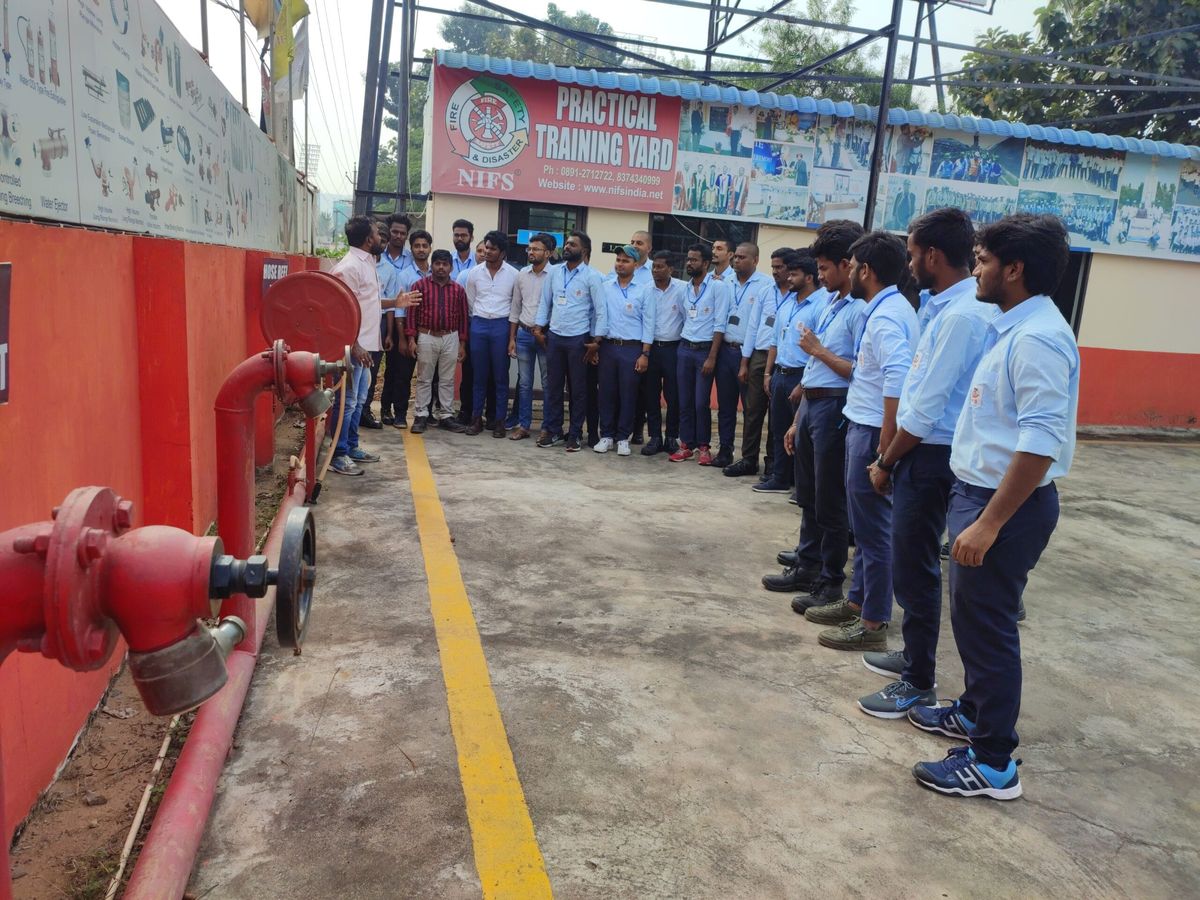
NIFS does not run a B.Tech or M.Tech. If an engineering degree through an entrance exam is your goal, choose a university or government engineering college. If you want practical, job-focused training, NIFS trains on a practical training yard in Visakhapatnam and lists named student placements on its placements page.
The 4-Question Test Before You Pay Any Fee
- Who signs the final certificate? A university, a state board, or only the institute itself?
- Does it match a real job? Open 3 job adverts for the role you want. Write down what each one asks for.
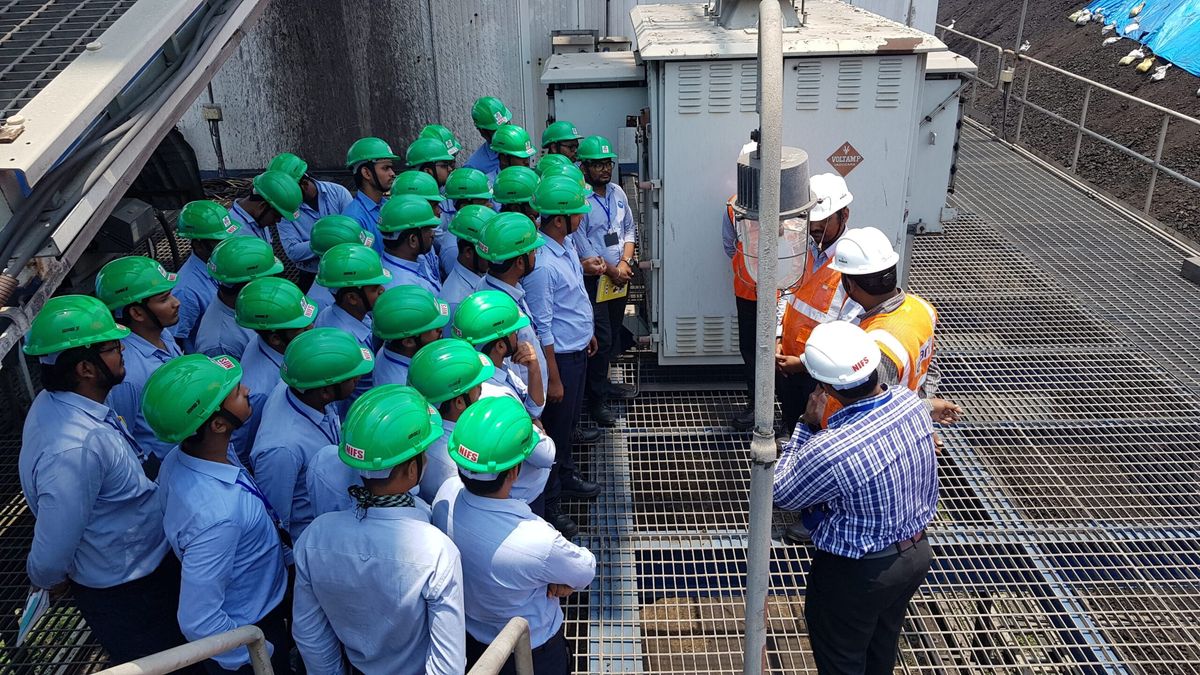
- Will you touch real equipment? Safety is learned on a yard and on a site, not only from slides.
- Can they name students and employers? If they will not, that is your answer.
Know a 12th-pass student or a young engineer picking a safety course right now?
Send them this page. It could save them a year.
Share on WhatsApp →Our guide on how to verify a fire and safety institute gives the full checklist. To understand what the job pays once you qualify, see safety officer salary in India.
Not sure which route fits you?
Tell an NIFS counsellor your qualification and career goal on WhatsApp. If another route suits you better, they will say so.
Companies Currently Hiring Through NIFS
KPC PROJECTS LTD
3 positions open
PON PURE CHEMICAL INDIA PRIVATE LIMITED
Safety Trainee
Frequently Asked Questions
Which course is best to become a safety engineer in India?
There is no single best course. With 12th PCM and an entrance rank, a B.Tech in fire or safety engineering fits. With 12th in any stream or a diploma, a B.Sc in Fire & Industrial Safety or a 1-year diploma lets you start without an engineering entrance. Graduates can take a 1-year PG diploma.
Can I become a safety engineer without a B.Tech?
Yes. Many safety professionals enter through a diploma or a B.Sc and add site experience and higher qualifications later. A B.Tech helps for design-level roles or where an employer lists an engineering degree as mandatory, so check the job advert.
What is the eligibility for a safety engineer course after 12th?
A B.Tech in fire or safety engineering usually needs 12th with Physics and Maths plus an entrance exam. A B.Sc in Fire & Industrial Safety or a 1-year diploma accepts 12th from any stream, depending on the institute.
Does a safety engineering degree make me a Safety Officer under the Factories Act?
Not automatically. The Factories Act, 1948 (Section 40-B) and the OSH & WC Code, 2020 (Section 22) speak of a Safety Officer, with qualifications set by the appropriate government's rules. DGFASLI describes its ADIS, PDIS and DIS courses as recognised statutory qualifications. Check your state's rules before enrolling.
How long does a safety engineer course take?
A diploma or PG diploma takes about one year, a B.Sc takes three years, a B.Tech takes four years and an M.Tech takes two years.
Does NIFS India offer a B.Tech in safety engineering?
No. NIFS offers a B.Sc in Fire & Industrial Safety, diplomas, advanced diplomas, PG diplomas and an Industrial Safety Engineer (SBTET) program. For a B.Tech, choose a university or government engineering college.
Start Your Career in Industrial Safety Today
NSDC-approved Diploma, Advanced Diploma, and Degree programs with 100% placement assistance at top companies like L&T, Adani, and Reliance.