How to Verify a Fire Safety Institute Is Real
Every fire and safety training institute's homepage says roughly the same thing — "leading institute," "trusted by thousands," "job-ready training." None of that is verifiable from the homepage itself. If you're choosing where to spend a year or more on a safety officer qualification, here's what you can actually check before enrolling anywhere, NIFS included.
1. Affiliation You Can Verify Independently
Ask which university, SBTET board, or NSDC framework the course is affiliated with, then check that body's own official site for the affiliated-institute list. Don't accept a certificate photo alone — certificates can be real but the underlying affiliation status can lapse or never have covered the specific course you're being sold. This is the single highest-leverage check on this list; everything else matters less if the core qualification isn't what it claims to be.
2. Physical Infrastructure, Not Just Photos
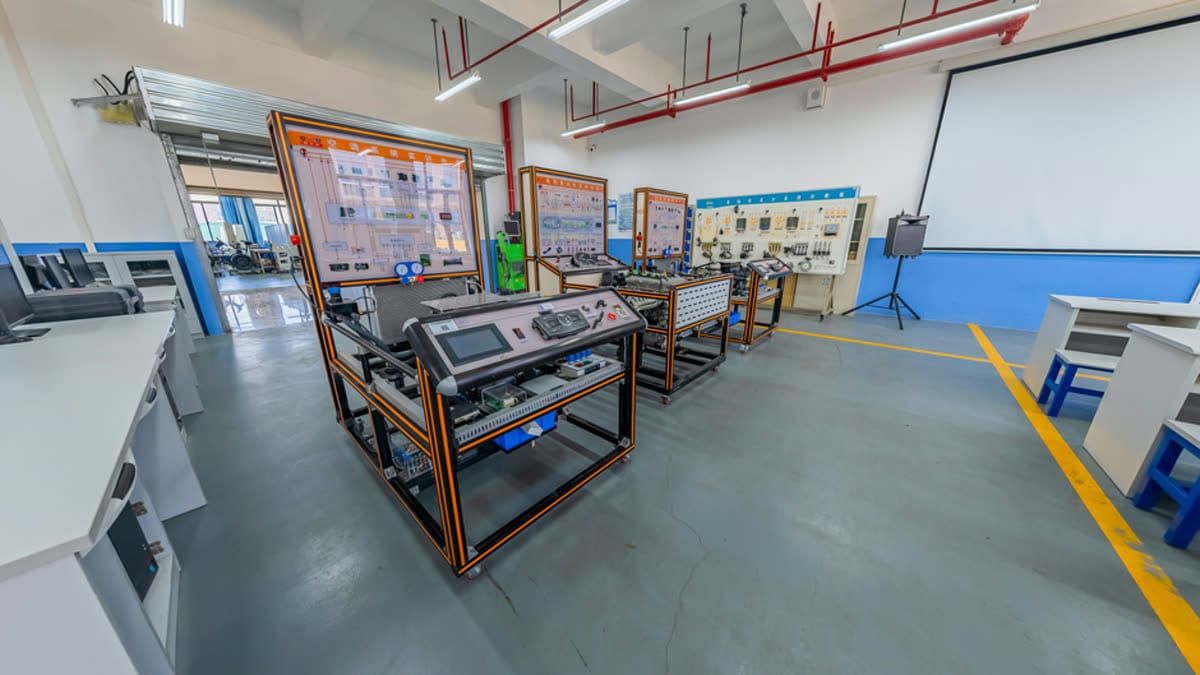
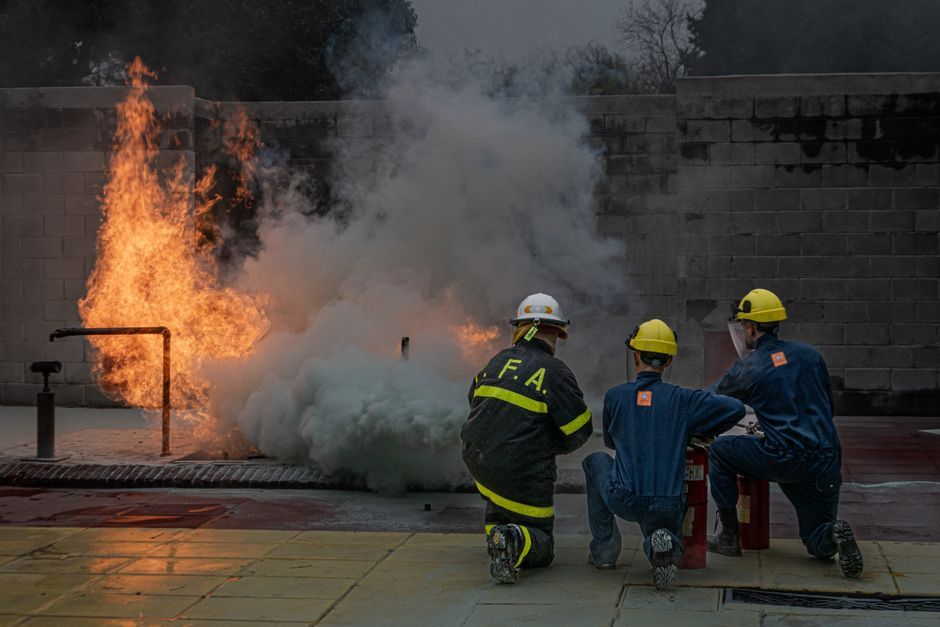
Industrial safety training involves practical components — fire-fighting simulation, PPE handling, emergency response drills. Ask to visit the actual training facility, not just view stock photography. A legitimate institute will let you walk through its practical training area before you enroll, and you should be able to see real equipment in use, not just displayed for photos.
3. Faculty Credentials, Named and Checkable
Look for named faculty with real, checkable credentials — not just "expert trainers" as a category.
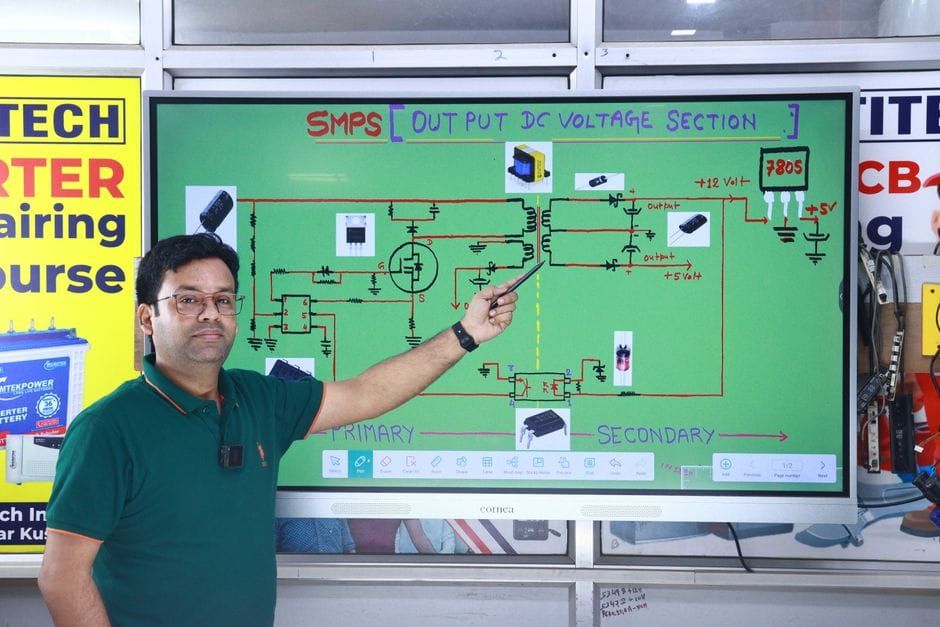
NIFS's academic content, for example, carries Dr. GPR Krishna's name directly, with a defined background rather than an anonymous "our team" byline. If an institute's marketing only ever refers to unnamed "expert faculty," ask directly who will actually be teaching your specific course and what their background is.
4. Placement Claims With a Real Mechanism
"100% placement" claims are common and rarely enforceable as promises. Ask instead: is there a dedicated placement cell, which companies have actually hired from this institute, and can you speak to a recent graduate directly? A real placement track record should be checkable through alumni you can independently contact, not just a number on a page.
5. Fee Transparency
A legitimate institute will give you a real, itemized fee structure on request — tuition, materials, exam fees, any practical-training charges — rather than a vague "contact us for pricing" that turns into pressure-sales during a call. If pricing feels deliberately opaque until you're on a sales call, treat that as a signal.
6. Alumni You Can Actually Find
Large alumni numbers are easy to print.

LinkedIn searches for the institute name plus a course name (e.g. "NIFS Advanced Diploma in Industrial Safety") should surface real profiles working in real industrial safety roles. If an institute claims tens of thousands of alumni but almost none are findable online, that's worth questioning directly.
7. Multiple Centers With Real Addresses
If an institute claims a national or multi-city presence, its center pages should list real, checkable addresses — not just city names on a map graphic.

Cross-check the address against Google Maps and, where possible, Google Business Profile reviews for that specific center. A real center will have a real, findable Google presence with genuine reviews from actual students, not just a phone number and a photo.
How NIFS Specifically Checks Out Against This List
Applying the checklist above to NIFS itself, here's what's independently verifiable, not just claimed:
- Affiliation: NIFS's degree programs (B.Sc and B.Sc Honours in Fire & Industrial Safety) are issued through Acharya Nagarjuna University, a UGC-recognized university — check the degree's validity directly on ANU's own affiliated-institute records, not just on NIFS's site.
- NSDC approval: NIFS's diploma-level courses run under NSDC (National Skill Development Corporation) frameworks — verifiable against NSDC's own recognized-partner listings.
- Quality certification: NIFS is ISO 9001:2015 certified, a checkable third-party quality management standard, not a self-issued badge.
One disambiguation worth knowing: several similarly-named "National Institute of Fire and Safety" entities operate independently in different cities (a naming pattern common across the fire and safety training sector in India, not unique to NIFS). When verifying any institute using this checklist — including this one — confirm you're checking the specific legal entity and center you plan to enroll with, not just a similar-sounding name.
The Honest Bottom Line
None of this is unique to any one institute — it's the same checklist worth applying everywhere you're considering, including NIFS. What you can independently verify about a course matters more than what a homepage claims about itself. Spending thirty minutes on these seven checks before enrolling is a small cost against a year or more of training and, potentially, a career path that depends on the qualification actually holding the standing it claims.
What Red Flags Actually Look Like in Practice
It helps to know what a real warning sign looks like, not just the abstract category. A common one: an admissions counselor who pushes hard for a same-day enrollment decision, discouraging you from "wasting time" visiting the facility or speaking with alumni first — genuine urgency around limited intake seats is normal, but pressure specifically designed to prevent you from verifying anything is not. Another: a fee quote that changes meaningfully between an initial phone call and an in-person visit, without a clear explanation for the difference. A third: alumni testimonials that only exist as text quotes on the institute's own site, with no way to independently contact the person quoted or confirm they're real.
None of these alone is disqualifying — sales pressure exists everywhere, and not every satisfied graduate has an active LinkedIn profile. But two or three of these patterns together, especially combined with resistance to a facility visit, is a genuine signal worth weighing seriously before committing.
Companies Currently Hiring Through NIFS
NIFS/IFESM
SAFETY PROFESSIONAL
ROBOMATIC PRECON PVT LTD
SAFETY OFFICER
Beekay Steel Industries Ltd
Safety Officer
Frequently Asked Questions
How do I know if a fire and safety institute's placement claims are real?
Ask whether there's a dedicated placement cell, which specific companies have hired graduates, and whether you can speak with a recent alumnus directly. A verifiable track record beats an unenforceable percentage claim.
What documents should a legitimate safety training institute provide before enrollment?
An affiliation certificate from the naming university, SBTET board, or NSDC framework; an itemized fee structure; and access to view the actual practical training facility, not just photographs of it.
Can I verify an institute's alumni claims independently?
Yes — search LinkedIn for the institute name combined with a specific course name. Real alumni working real industrial safety roles should be findable; a large claimed alumni count with almost no visible profiles is a signal worth questioning.
Is it reasonable to ask to visit a training facility before enrolling?
Yes — this is standard practice for any legitimate institute. If a facility visit is discouraged or repeatedly delayed, treat that as a warning sign rather than a scheduling inconvenience.
What makes NIFS's own credentials independently verifiable?
NIFS's B.Sc programs are issued through Acharya Nagarjuna University (a UGC-recognized university, checkable on ANU's own records), its diploma courses run under NSDC frameworks, and NIFS itself is ISO 9001:2015 certified — all third-party verifiable, not self-issued claims.
Start Your Career in Industrial Safety Today
NSDC-approved Diploma, Advanced Diploma, and Degree programs with a dedicated placement cell.