Fire and Safety Course Duration: HSE and Safety Engineer Courses Compared
By NIFS India | 29 October 2026
A fire and safety course at NIFS India lasts from 3 months to 4 years. The Certificate Course takes 3–6 months, the diploma courses take 1 year (12 months) and the B.Sc takes 3 years (4 with Honours). HSE and safety engineer courses are mostly 1 year. This guide shows each duration and who can join.
Every duration below comes from the NIFS course page linked in the table, which we read on 29 October 2026. If a page does not state something, we say so and ask you to contact NIFS.
How long is a fire and safety course?
A fire and safety course at NIFS India takes 3–6 months at certificate level, 1 year for the Diploma in Fire & Safety (DFS) and the PG Diploma, 12 months for the Advanced Diploma (ADFS), and 3 years for the B.Sc (4 with Honours). The length depends on the level you choose and your last qualification.
| Course | Duration | Who can join | Mode | Source |
|---|---|---|---|---|
| Certificate Course in Fire & Safety (CCFS) | 3–6 months | 10th pass / 10+2 | Classroom / Online | NIFS page |
| Diploma in Fire & Safety (DFS) | 1 year | 10+2 / ITI / any stream | Classroom / Online | NIFS page |
| Advanced Diploma in Fire & Safety (ADFS) | 12 months | 10+2 / Diploma (any stream) | Classroom / Online | NIFS page |
| PG Diploma in Fire & Safety (PG DFS) | 1 year | Any graduate | Classroom / Online | NIFS page |
| B.Sc in Fire & Industrial Safety | 3 years (6 semesters) | 10+2 / Diploma (3 yrs, any stream) | Classroom / Online | NIFS page |
| B.Sc (Honours) in Fire & Industrial Safety | 4 years (8 semesters) | 10+2 / Diploma (3 yrs, any stream) | Classroom / Online | NIFS page |
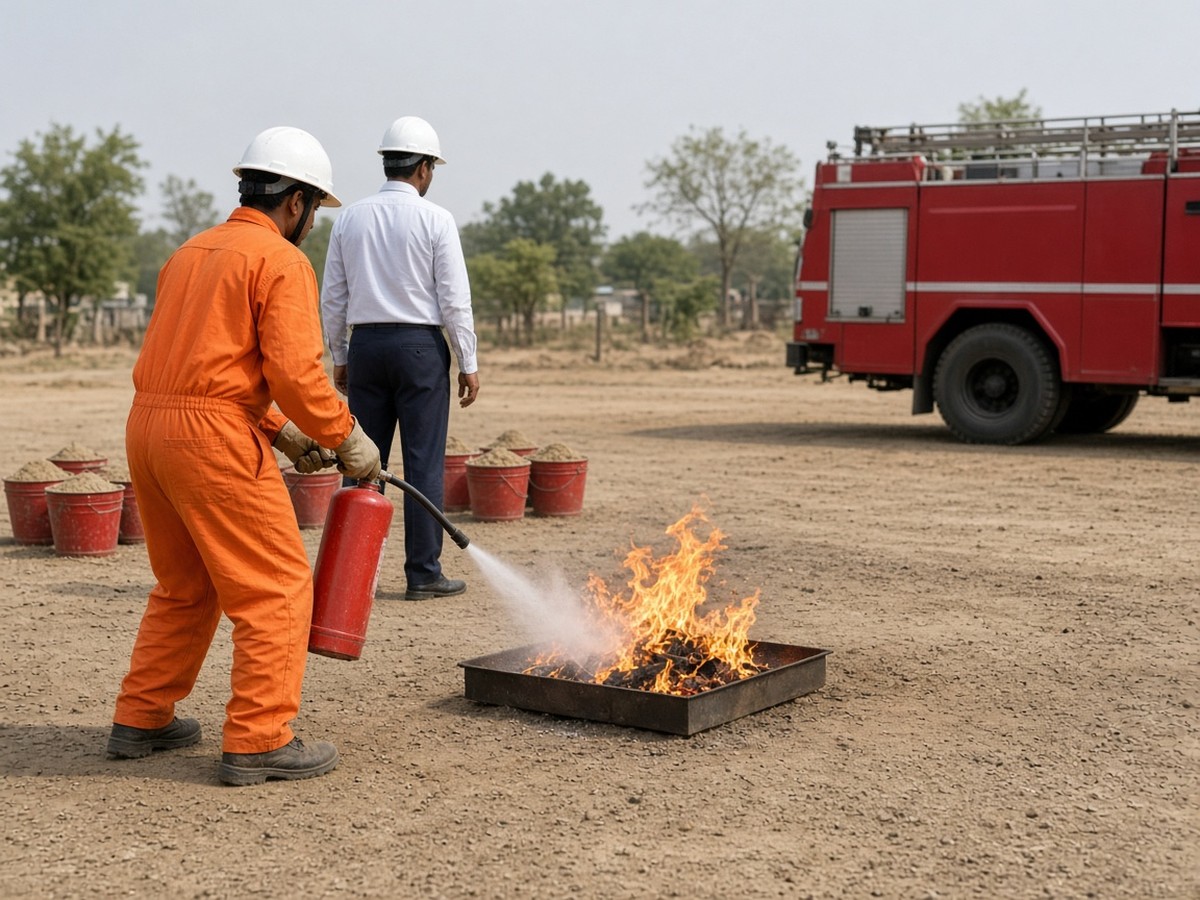
What you study at each level:
- Certificate (3–6 months): fire prevention basics, PPE and safety equipment handling, workplace hazard awareness and first aid fundamentals.
- Diploma in Fire & Safety (1 year): fire science and engineering, industrial safety fundamentals, emergency planning and safety auditing basics.
- ADFS (12 months): advanced fire engineering, hazard identification and risk assessment, fire prevention and control techniques, and emergency response planning.
- PG Diploma (1 year): fire risk engineering, safety management systems, the legal and regulatory framework, and emergency response coordination.
Most students start with the Diploma in Fire & Safety. Our DFS eligibility guide explains who qualifies and what to confirm before you enrol.
Which fire and safety course can I join after 10th, 12th or graduation?
After 10th pass you can join the Certificate Course. After 10+2, ITI or any stream you can join the Diploma in Fire & Safety. After 10+2 or a diploma you can join ADFS. After any graduate degree you can join the PG Diploma. Check the course page for the latest rules.
- Write down your last qualification (10th, 10+2, ITI, diploma or degree).
- Find that qualification in the "Who can join" column of the table above.
- Decide how much time you can give: 3–6 months, 1 year or 3 years.
- Message NIFS on WhatsApp to confirm batch dates, mode and fees before you pay anything.
How long is an HSE course?
HSE means Health, Safety and Environment. At NIFS India, the Diploma in HSE (DHSE) and the PG Diploma in HSE (PG DHSE) each last 1 year. The Advance Diploma in Quality Health Safety Environment (ADQHSE) also runs for one year, online. DHSE accepts 10+2, ITI or any stream; PG DHSE needs a graduate degree.
| Course | Duration | Who can join | Mode | Source |
|---|---|---|---|---|
| Diploma in Health, Safety & Environment (DHSE) | 1 year | 10+2 / ITI / any stream | Classroom / Online | NIFS page |
| PG Diploma in Health, Safety & Environment (PG DHSE) | 1 year | Any graduate | Classroom / Online | NIFS page |
| Advance Diploma in Quality Health Safety Environment (ADQHSE) | One year | Bachelor's degree / 3-year Diploma (any stream) / equivalent | Online | NIFS page |
| Diploma in Industrial Safety (DIS) | 12 months | 10th / SSC / HSE | Online | NIFS page |
| Advanced Diploma in Industrial Safety (ADIS) | 12 months | 10+2 / Diploma (any stream) | Classroom / Online | NIFS page |
| Industrial Safety Engineer | One year | Degree or Diploma in any Engineering/Technology branch + 3 years' experience | Classroom (regular, full-time) | NIFS page |
If you want to work as an HSE officer, our guide on the HSE officer course in India covers the role and the route in. Safety officer course duration has its own page: read what you learn in a 6 to 12 month safety officer course.
Want the current batch dates and fees?
Fees are not listed on this page. Chat with NIFS on WhatsApp to ask about fees, batch dates and the nearest center, or use the enquiry page.
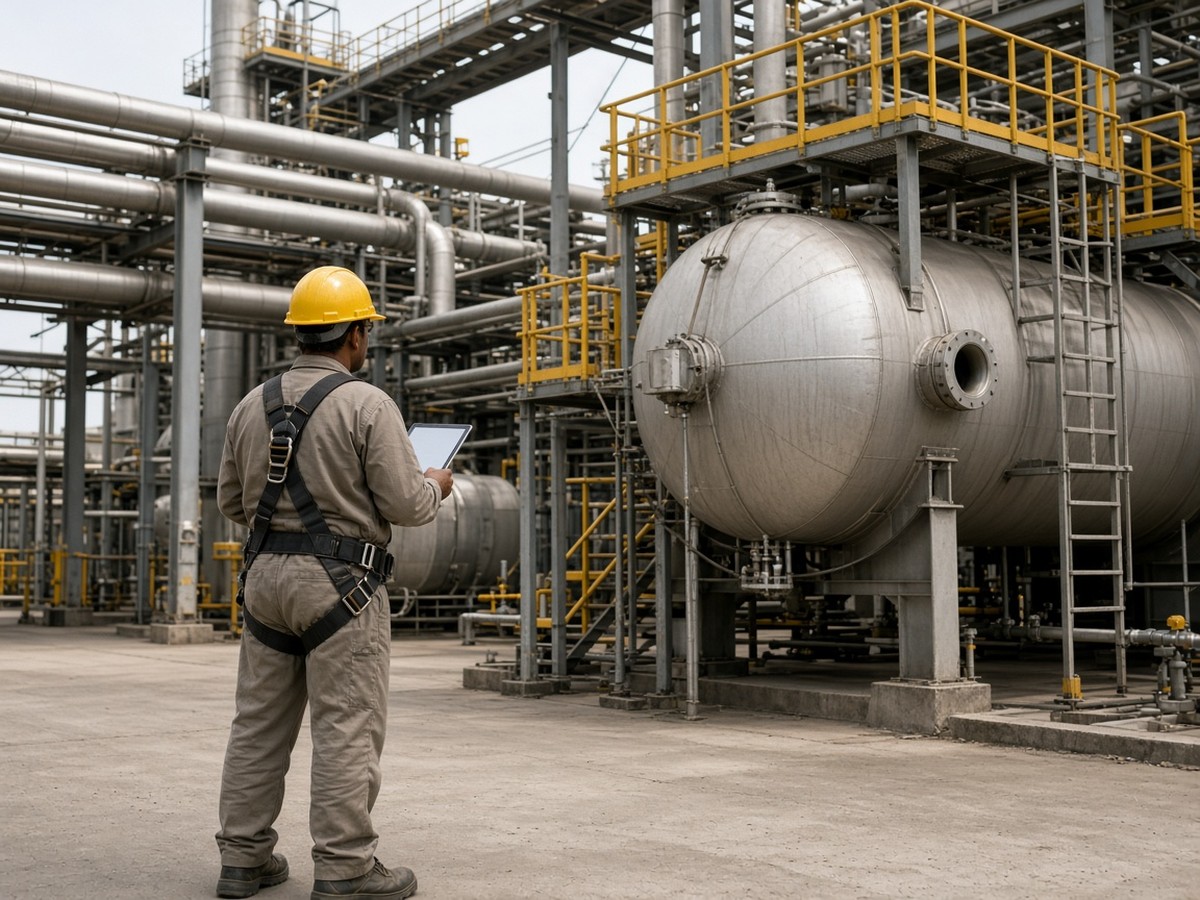
How long is a safety engineer course?
Safety engineer is a job title, not the name of one course. NIFS India offers the Industrial Safety Engineer course, a one-year regular full-time classroom program for people with an engineering degree or diploma and 3 years' experience. It gives an Acharya Nagarjuna University certificate. Other routes, such as a degree or a PG diploma, take a different time.
The Industrial Safety Engineer course is meant for practising engineers who want to move into dedicated industrial safety roles. If you do not have the engineering qualification and experience, our guide to safety engineer courses: B.Tech vs diploma vs PG diploma compares the other routes.
Safety engineer ka course kitne din ka hota hai?
NIFS India ka Industrial Safety Engineer course 1 saal ka hota hai. Ye regular full-time classroom program hai. Isme engineering degree ya diploma aur 3 saal ka experience chahiye. Fire and safety ke dusre courses 3 se 6 mahine ke certificate se lekar 3 saal ki B.Sc tak hote hain.
| Course | Kitna time | Kaun apply kar sakta hai |
|---|---|---|
| Certificate Course in Fire & Safety (CCFS) | 3 se 6 mahine | 10th pass / 10+2 |
| Diploma in Fire & Safety (DFS) | 1 saal | 10+2 / ITI / koi bhi stream |
| Advanced Diploma in Fire & Safety (ADFS) | 12 mahine | 10+2 / Diploma (koi bhi stream) |
| Diploma in HSE (DHSE) | 1 saal | 10+2 / ITI / koi bhi stream |
| Industrial Safety Engineer | 1 saal | Engineering degree ya diploma + 3 saal experience |
| B.Sc in Fire & Industrial Safety | 3 saal (6 semester) | 10+2 / Diploma (3 saal, koi bhi stream) |
Fees aur batch ki date ke liye NIFS se WhatsApp par contact karein. Fees is page par nahi di gayi hain.
Is the duration the same for online and classroom mode?
For most NIFS fire and safety and HSE courses, the course page lists one duration and shows both Classroom and Online modes. DIS and ADQHSE are listed as online only. Industrial Safety Engineer is listed as regular full-time classroom. Confirm the mode for your center with NIFS.
Are there safety courses shorter than 3 months?
Yes. NIFS lists a 1-month Certificate Course in Chemical Safety and a 1-month Certificate Course in Construction Safety, both online for 10th pass candidates. It also offers a free 3-hour online Ergonomic Safety course with a certificate. These are good ways to test your interest before a longer course.
- Certificate Course in Chemical Safety: 1 month, online, 10th / SSC / HSE.
- Certificate Course in Construction Safety: 1 month, online, 10th / SSC / HSE.
- Free Ergonomic Safety course: 3 hours, online, free, with a certificate.
What do students also ask about fire and safety course duration?
The questions below cover the shortest course, the right course after 10th or 12th, how long the degree takes, fees and jobs. Course answers use the NIFS course pages as the source. For anything not stated on those pages, contact NIFS directly before you decide.
What is the shortest fire and safety course at NIFS?
The Certificate Course in Fire & Safety (CCFS) is the entry-level fire and safety course and runs 3–6 months. NIFS also lists 1-month certificates in chemical safety and construction safety, and a free 3-hour online Ergonomic Safety course with a certificate. Check each course page for the latest details.
Can I do a fire and safety course after 10th or 12th?
Yes. The CCFS accepts 10th pass or 10+2 candidates. The Diploma in Fire & Safety accepts 10+2, ITI or any stream. The Diploma in Industrial Safety (DIS) lists 10th / SSC / HSE. Students with a degree can look at the PG Diploma instead.
How long is the B.Sc in Fire and Industrial Safety?
The NIFS B.Sc in Fire & Industrial Safety is a 3-year degree with 6 semesters. The B.Sc (Honours) in Fire & Industrial Safety runs 4 years with 8 semesters. Both list 10+2 or a 3-year Diploma in any stream as eligibility. Contact NIFS for the admission steps and fees.
What are the fees for these courses?
Fees depend on the course, mode and center, so this page does not quote any amount. Contact NIFS for fees. You can message the team on WhatsApp or use the enquiry page, and ask about batch dates and installment options at the same time.
Where can I look for jobs after the course?
NIFS keeps a jobs page where openings are listed. Open it after you finish your course and apply to roles that match your qualification. NIFS has 25+ years of experience and 45,000+ alumni, but no course can promise a job, so keep applying and building skills.
Who runs these courses?
NIFS India (National Institute of Fire & Safety) is headquartered in Visakhapatnam, Andhra Pradesh. It has 25+ years of experience, 65+ centers in 18 states and 45,000+ alumni. NIFS is NSDC approved and ISO 9001:2015 certified, and offers certificates from Acharya Nagarjuna University (State Government University).
Ready to pick your course?
Tell NIFS your last qualification and the course you are considering. The team will confirm duration, mode, fees and the nearest center. Chat with NIFS on WhatsApp or use the enquiry page. If you are already trained and looking for work, see the NIFS jobs page.
Explore More
Companies Currently Hiring Through NIFS
SHIKHAR SERVICES AND CONSULTANCY
FIRE AND SAFETY AUDIT COORDINATOR
NIFS/IFESM
SAFETY PROFESSIONAL
ROBOMATIC PRECON PVT LTD
SAFETY OFFICER
Start Your Career in Industrial Safety Today
NSDC-approved Diploma, Advanced Diploma, and Degree programs with a dedicated placement cell.