HSE Officer Course in India: How to Become an HSE Officer (2026)
To become an HSE Officer in India, you need an HSE qualification that matches your education: a 1-year Diploma in Health, Safety & Environment (DHSE) after 10+2 or ITI, or a 1-year PG Diploma in Health, Safety & Environment (PG DHSE) if you are already a graduate. Add practical training and site exposure, and you can apply for HSE Officer, HSE Supervisor and EHS roles in construction, manufacturing, oil and gas and other industries.
How to become an HSE Officer: 3 steps
- Step 1, pick the course for your level: DHSE after 10+2 / ITI, PG DHSE after any degree, ADQHSE (online) after a degree or a 3-year diploma.
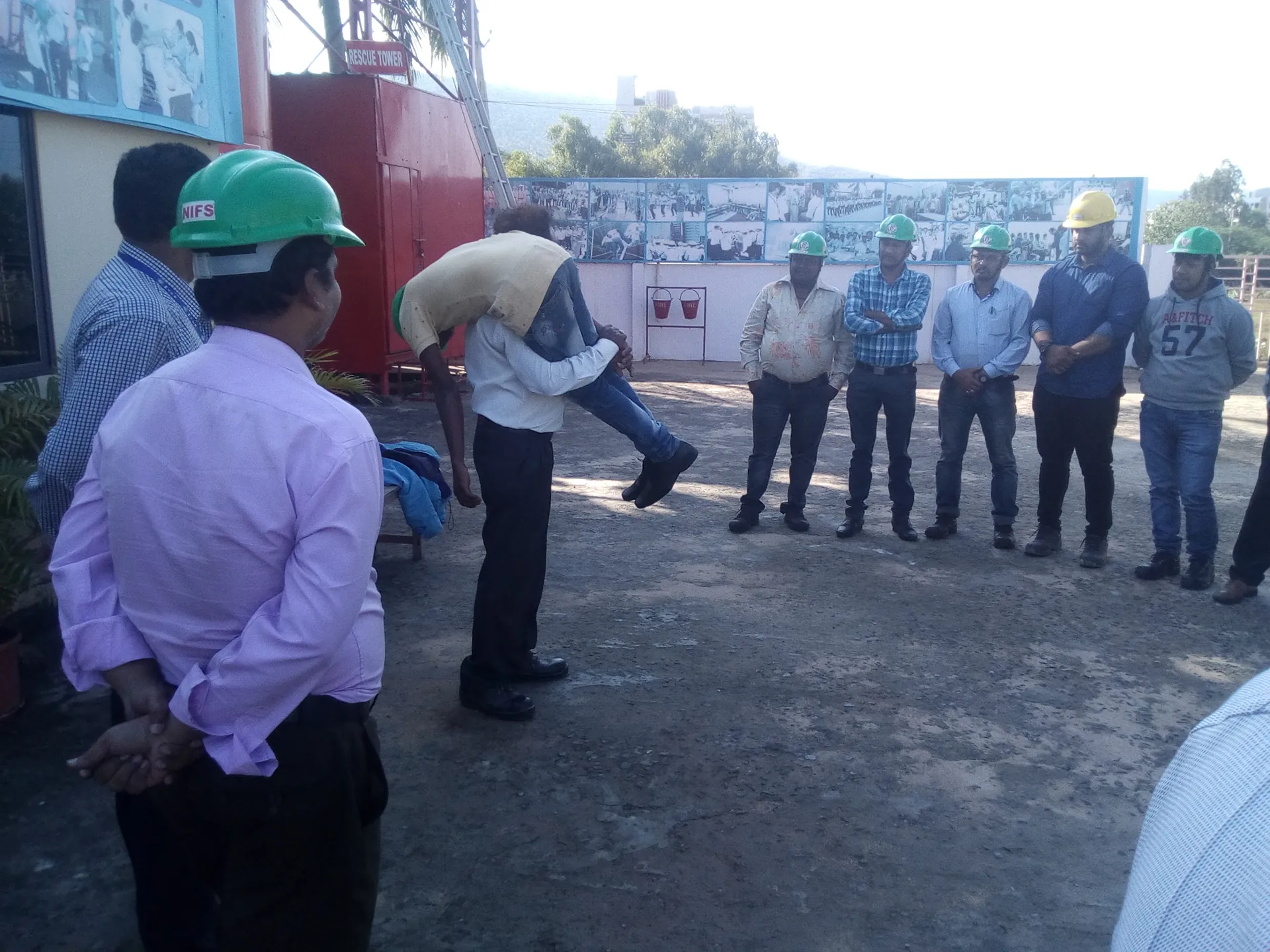
- Step 2, train on real equipment: fire extinguishers, rescue drills, permit-to-work and site inspections, not just theory.
- Step 3, start in a site role: most people begin as an HSE Supervisor or junior HSE Officer and grow with experience.
What Does an HSE Officer Do?
HSE stands for Health, Safety and Environment. An HSE Officer makes sure work on a site happens without injuries, illness or harm to the environment. A normal week includes site inspections, toolbox talks for workers, checking permits for hot work and work at height, investigating near-misses, keeping safety records and making sure waste and emissions are handled correctly.
HSE Officer vs Safety Officer: What Is the Difference?
The two jobs overlap a lot, and many companies use the titles loosely. The main difference is scope:
| Point | Safety Officer | HSE Officer |
|---|---|---|
| Main focus | Preventing accidents and injuries | Safety, plus worker health and the environment |
| Typical extra duties | Machine guarding, fire safety, accident reports | Also occupational health checks, waste, spills and emissions |
| Common employers | Factories, plants, construction sites | Construction, oil and gas, pharma and large projects |
One legal point matters before you choose. In factories, the post of Safety Officer has qualification rules set by law. If that statutory post is your goal, read Safety Officer qualification under Section 40-B and the OSH Code first.
Which HSE Course Should You Take?
All three NIFS HSE programmes take one year. Choose by the qualification you have today:
| Course | Eligibility | Duration | Mode | Certificate |
|---|---|---|---|---|
| Diploma in Health, Safety & Environment (DHSE) | 10+2 / ITI / any stream | 1 year | Classroom / Online | Acharya Nagarjuna University |
| PG Diploma in Health, Safety & Environment (PG DHSE) | Any graduate | 1 year | Classroom / Online | Acharya Nagarjuna University |
| Advance Diploma in Quality, Health, Safety & Environment (ADQHSE) | Bachelor's degree / 3-year diploma (any stream) | 1 year | Online | Acharya Nagarjuna University |
Quick rule: just finished 12th or ITI, take DHSE. Already a graduate, take PG DHSE. A graduate who also wants quality-management topics and can only study online, look at ADQHSE.
What Will You Study in an HSE Course?
- Health: occupational health hazards, first aid, ergonomics and workplace hygiene.
- Safety: hazard identification and risk assessment, fire prevention and firefighting, permit-to-work, work at height, electrical and chemical safety.
- Environment: waste handling, spill response, pollution control basics and environmental records.
- Practical work: drills and equipment training, so you can do the job on day one, not only describe it.
HSE Officer Jobs and Salary
HSE roles exist wherever large teams work on risky sites: construction and infrastructure projects, oil and gas, power plants, pharmaceuticals, chemicals and manufacturing. Freshers usually start as HSE Supervisor or junior HSE Officer, then move to HSE Officer, HSE Engineer and HSE Manager with experience. Salary depends on the industry, the city and your years on site. See our safety officer and HSE officer salary guide for current ranges.
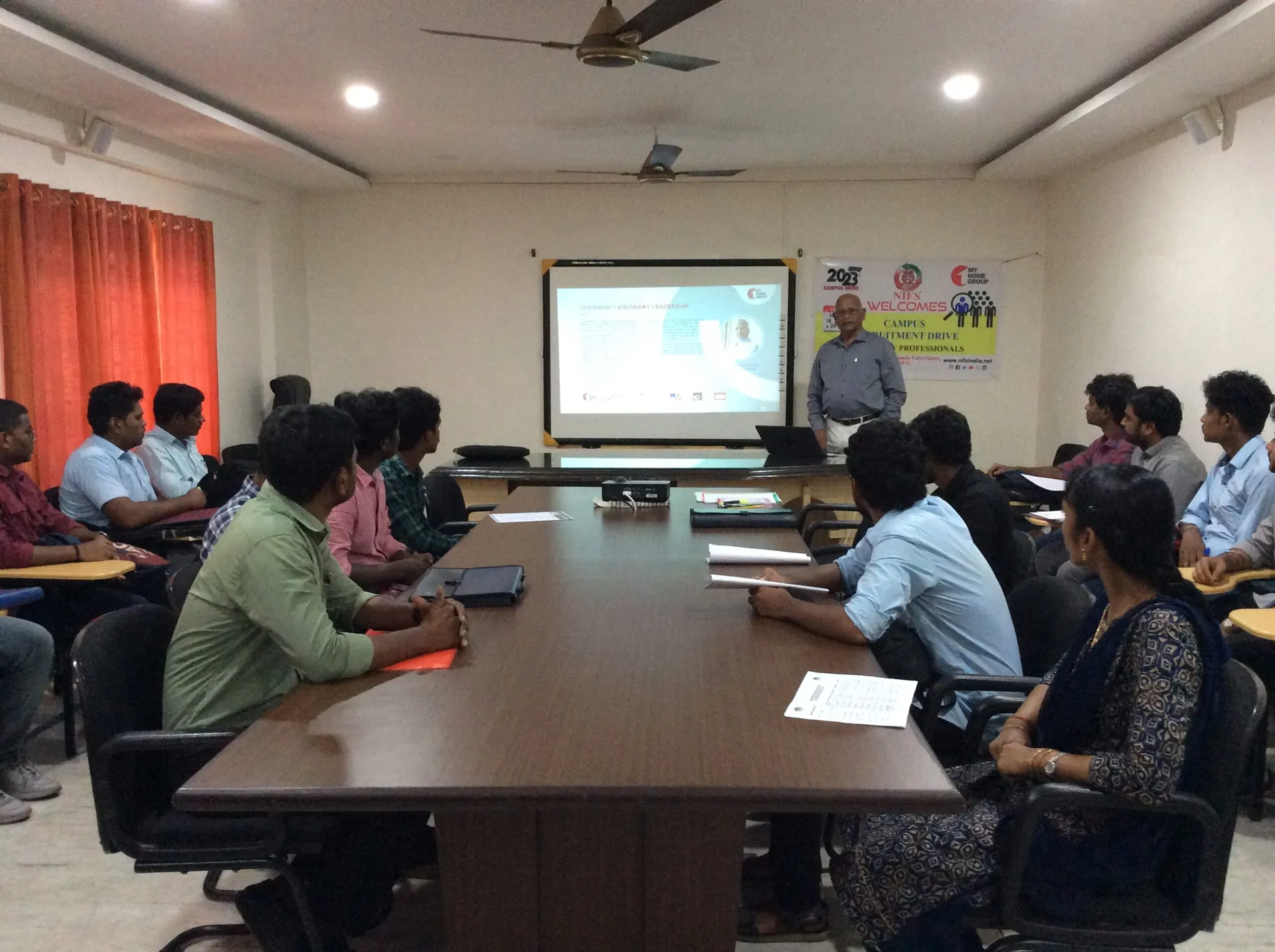
NIFS gives placement support to its students. Judge any course by the training and support it actually gives, not by promises of jobs.
What Does an HSE Course Cost?
The fee depends on the course, the mode (classroom or online) and the centre. NIFS shares the exact current fee on WhatsApp or phone. Before you pay any institute, check what the fee includes: practical training, exams, the certificate and placement support. Our guide on what a safety course fee should cover lists the questions to ask.
Not sure which HSE course fits you?
Send your qualification on WhatsApp and the NIFS team will suggest the right course, mode and nearest centre, with the current fee.
Ask on WhatsAppCompanies Currently Hiring Through NIFS
SHIKHAR SERVICES AND CONSULTANCY
FIRE AND SAFETY AUDIT COORDINATOR
NIFS/IFESM
SAFETY PROFESSIONAL
ROBOMATIC PRECON PVT LTD
SAFETY OFFICER
Frequently Asked Questions
What is the qualification to become an HSE Officer in India?
You need an HSE qualification that matches your education. After 10+2 or ITI, a 1-year Diploma in Health, Safety & Environment (DHSE) is the usual start. Graduates can take a 1-year PG Diploma in Health, Safety & Environment (PG DHSE).
How long is an HSE course?
At NIFS, DHSE, PG DHSE and ADQHSE each take 1 year. DHSE and PG DHSE are available in classroom and online modes; ADQHSE is online.
Is HSE Officer the same as Safety Officer?
They overlap, but an HSE Officer also covers worker health and the environment, while a Safety Officer focuses mainly on preventing accidents. The statutory Safety Officer post in factories has its own legal qualification rules.
Which certificate do I get after the NIFS HSE course?
The certificate for NIFS courses, including DHSE, PG DHSE and ADQHSE, is issued by Acharya Nagarjuna University.
Start Your Career in Industrial Safety Today
NSDC-approved Diploma, Advanced Diploma, and Degree programs with a dedicated placement cell.