Diploma in Fire and Safety (DFS): Eligibility

The Diploma in Fire & Safety (DFS) is NIFS's entry-level fire safety qualification — the course most people mean when they search generically for a "diploma in fire and safety course" without yet knowing the specific course names in the field. Here's what it actually involves.
Who's Eligible
DFS is designed for candidates who've completed 10+2 (or an equivalent qualification) and want to enter fire and safety as a career directly, without first needing a separate degree. It's the same entry point many industrial-role candidates use for DIS, except DFS's curriculum is built specifically around fire prevention, suppression systems, and emergency response rather than general industrial hazard management.
What the Curriculum Covers
Expect coverage of fire behavior and chemistry, fire prevention system design basics, portable and fixed suppression equipment, emergency evacuation planning, and practical fire-fighting drills.
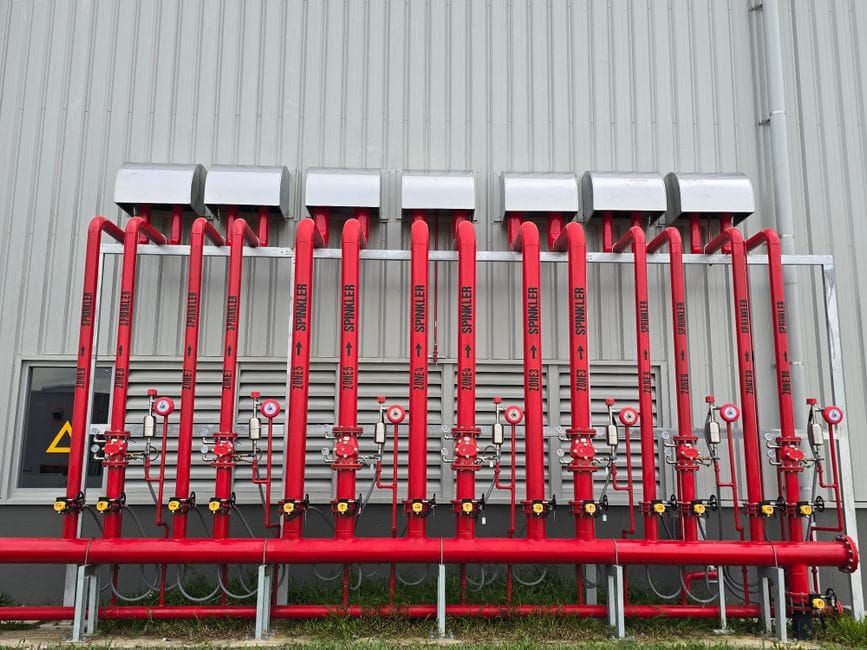
NIFS structures this with a genuine practical-training component, not classroom theory alone — hands-on work with actual fire-fighting equipment and simulated emergency scenarios is part of the course, not an add-on.
Where DFS Graduates Actually Work
Typical roles after DFS include Fire Safety Officer positions in manufacturing plants, commercial buildings, hospitality, and industrial facilities where a dedicated fire safety role is a compliance requirement.
It's also a common stepping stone into the Advanced Diploma in Fire & Safety (ADFS) for candidates who want to move into fire safety leadership or consulting roles later.
The Emergency Response Component
One part of DFS worth calling out specifically is emergency evacuation planning — not just how to use suppression equipment, but how to design and run an evacuation procedure for a real facility, including coordinating with local fire services.
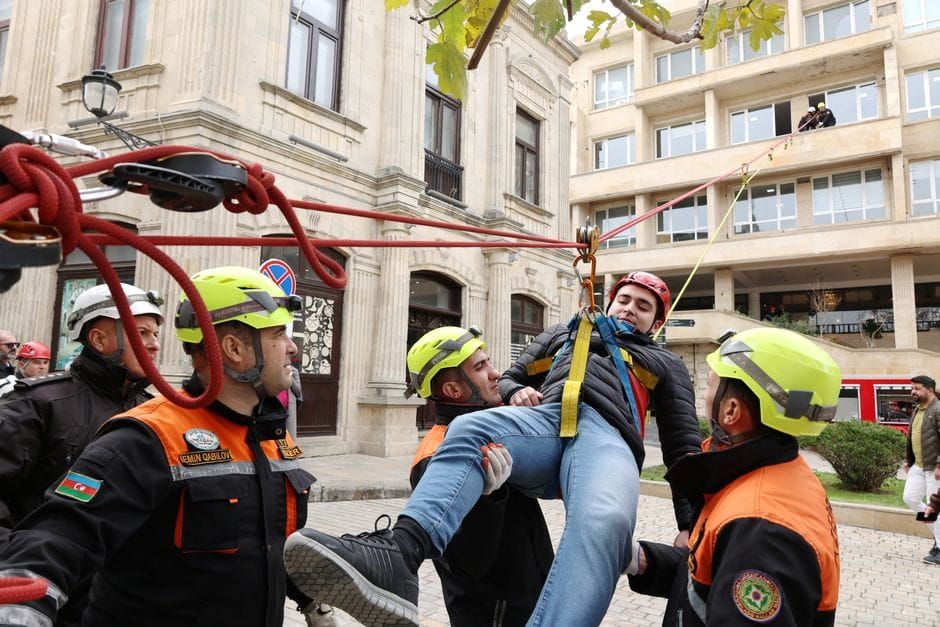
This is often the part of the role that distinguishes a genuinely trained Fire Safety Officer from someone who's only handled equipment — employers in regulated industries specifically look for candidates who've run real drills, not just studied the theory.
DFS vs. the Certificate-Level Option
If a full diploma feels like more commitment than you're ready for, NIFS also offers a shorter Certificate Course in Fire & Safety (CCFS) — useful for a faster entry point or as a first step before committing to the full diploma, though it doesn't carry the same depth or statutory standing as the diploma-level qualification.
What to Confirm Before Enrolling
- Which center you'll actually attend and whether it has genuine practical-training infrastructure (not just classroom space)
- The exact current fee structure for your intake — ask admissions directly rather than relying on a number quoted elsewhere
- Whether the course timeline fits around any existing work commitments
- Whether the specific center runs live evacuation drills or only classroom-based emergency planning
For a broader comparison across NIFS's full diploma lineup, see DIS vs ADIS vs DFS vs ADFS.
Physical Readiness and Practical Demands
Worth being upfront about: DFS's practical component isn't purely classroom-based, and the fire-fighting drills involve real physical exertion — handling suppression equipment, working through simulated emergency scenarios, and sometimes managing heat and smoke conditions in controlled training environments. This isn't a barrier for most candidates, but it's a genuinely different demand than a purely theory-based diploma, and it's worth knowing that going in rather than discovering it during the first practical session. Candidates with specific medical conditions that affect physical exertion should raise this directly with the admissions team before enrolling, since some roles this diploma leads to (particularly frontline fire safety officer positions) carry similar physical expectations on the job.
Companies Currently Hiring Through NIFS
NIFS/IFESM
SAFETY PROFESSIONAL
ROBOMATIC PRECON PVT LTD
SAFETY OFFICER
Beekay Steel Industries Ltd
Safety Officer
Frequently Asked Questions
Who is eligible for the Diploma in Fire & Safety (DFS) at NIFS?
Candidates who've completed 10+2 or an equivalent qualification are eligible for DFS — it's designed as a direct entry point into a fire safety career without requiring a prior degree.
What jobs can I get after completing DFS?
Common roles include Fire Safety Officer positions across manufacturing, commercial, hospitality, and industrial facilities where dedicated fire safety compliance roles are required.
What's the difference between DFS and the Certificate Course in Fire & Safety?
CCFS is a shorter, certificate-level introduction, useful as a faster entry point. DFS is the full diploma with greater depth and stronger standing for statutory fire safety officer roles.
Does DFS include hands-on emergency drill practice, or just classroom theory?
DFS includes a genuine practical-training component — hands-on fire-fighting equipment work and simulated emergency evacuation drills, not classroom theory alone.
Start Your Career in Industrial Safety Today
NSDC-approved Diploma, Advanced Diploma, and Degree programs with a dedicated placement cell.