Fire and Safety Course Guide: Types, Syllabus & Career
A fire and safety course trains students in fire prevention, emergency planning, industrial hazard identification, and safety auditing. Depending on whether you choose a 3–6 month certificate, a 1-year diploma, or a 3-year university degree, these programs prepare individuals for essential workplace safety roles across industrial and construction sites.
Every commercial facility, manufacturing plant, and infrastructure project operates under statutory safety regulations requiring qualified safety personnel. If your immediate objective is joining a foundational program, explore the accredited Diploma in Fire Safety for syllabus modules and intake schedules. This guide compares course levels, durations, and eligibility requirements to help you choose the right path.
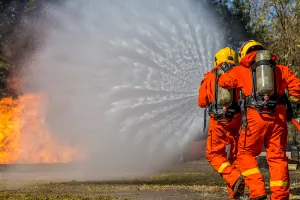
What are the different types of fire and safety courses in India?
Fire and industrial safety qualifications are organized into clear tiers based on your prior academic background and career goals:
- Certificate Course in Fire & Safety (CCFS): Duration is 3–6 months. Eligibility is 10th Pass / 10+2. A fast-track entry point into industrial safety covering fire prevention fundamentals, PPE handling, workplace hazard awareness, and first aid basics.
- Diploma in Fire & Safety (DFS): Duration is 1 year. Eligibility is 10+2 / ITI / Any Stream. Builds working knowledge of fire science and engineering, industrial safety fundamentals, emergency planning, and safety auditing basics.
- Advanced Diploma in Industrial Safety (ADIS): Duration is 12 months. Eligibility is 10+2 / Diploma (Any Stream). Focused on plant-floor safety management, machine safeguarding, hazardous zone safety (HT/LT), and safety audits.
- B.Sc in Fire & Industrial Safety: Duration is 3 years (6 semesters). Eligibility is 10+2 / Diploma (3 Yrs, Any Stream). Conferred in academic collaboration with Acharya Nagarjuna University (ANU), covering in-depth fire science, hazard identification, and risk assessment.
How do fire and safety courses compare on duration and eligibility?
The following table outlines each academic route available at the National Institute of Fire and Safety (NIFS):
| Course Level | Duration | Eligibility | Core Subjects | Typical Designation |
|---|---|---|---|---|
| Certificate Course in Fire & Safety (CCFS) | 3–6 Months | 10th Pass / 10+2 | Fire Prevention Basics, PPE & Safety Equipment, Hazard Awareness, First Aid | Safety Assistant, Fire Warden, Site Safety Trainee |
| Diploma in Fire & Safety (DFS) | 1 Year | 10+2 / ITI / Any Stream | Fire Science & Engineering, Industrial Safety Fundamentals, Emergency Planning, Safety Auditing | Fire & Safety Supervisor, Site Safety Officer |
| Advanced Diploma in Industrial Safety (ADIS) | 12 Months | 10+2 / Diploma (Any Stream) | Industrial Safety Management, Machine Safeguarding, Hazardous Zone Safety, Safety Audits | Industrial Safety Officer, Plant Safety Coordinator, EHS Engineer |
| B.Sc in Fire & Industrial Safety | 3 Years (6 Semesters) | 10+2 / Diploma (3 Yrs, Any Stream) | Fire Science & Engineering, Industrial Safety Management, Hazard Identification, Risk Assessment | Fire Safety Officer, Industrial Safety Supervisor, Emergency Response Coordinator |
For course details, batch dates and the nearest centre for each level, see our main fire and safety course page. Fees vary by course and centre, so please contact us for current fees. If you want to compare durations side by side, read our fire and safety course duration guide.
Not sure yet? Try our free 3-hour Ergonomic Safety course online first. It is free and you get a certificate of completion by email.
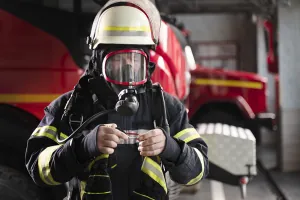
What subjects will you study in a fire safety curriculum?
A structured fire and safety program balances classroom technical principles with practical safety equipment training. Primary curriculum modules include:
- Fire Prevention & Engineering: Fundamentals of fire prevention, fire science principles, and fire prevention & control techniques.
- PPE & Safety Equipment: Safe handling, inspection, and maintenance of personal protective equipment and industrial safety gear.
- Workplace Hazard Awareness: Systematic hazard identification, risk assessment, and machine safeguarding across plant floors.
- Emergency Planning & First Aid: Establishing site emergency response protocols, evacuation planning, and essential first aid administration.
- Safety Legislation & Auditing: Reviewing statutory safety norms under the Factories Act framework and performing basic safety audits.
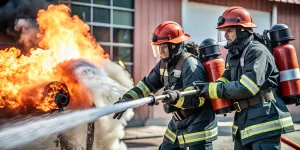
Why choose the National Institute of Fire and Safety (NIFS)?
National Institute of Fire and Safety (NIFS) provides structured training programs across India:
- 45,000+ Alumni: 45,000+ alumni trained since 2004.
- Quality Certification: ISO 9001:2015 certified training operations.
- National Skill Alignment: Authorized Training Partner with the National Skill Development Corporation (NSDC).
- University Certificates: All paid courses come with a certificate from Acharya Nagarjuna University (ANU), a State Government University.
- Flexible Learning Modes: Courses delivered in classroom and online modes to suit both career starters and working professionals.
How do you start your admission process?
Start by choosing the course level that matches your education, then contact us to check batch dates and fees at a centre near you. Our counsellors can also guide you on what to expect after the course, and you can see current openings on our jobs page. Read our safety officer salary guide to see sourced pay figures.
Visit our Admissions Portal to review center locations across India, or connect directly on WhatsApp for guidance tailored to your qualifications.
Companies Currently Hiring Through NIFS
RKEC PROJECTS LIMITED
SAFETY OFFICER
VARUN MOTORS
Safety Executive
SHIKHAR SERVICES AND CONSULTANCY
FIRE AND SAFETY AUDIT COORDINATOR
Frequently Asked Questions
What is the qualification required for a fire and safety course?
Eligibility depends on the program level. The Certificate Course in Fire & Safety (CCFS) requires 10th Pass / 10+2; the Diploma in Fire & Safety (DFS) requires 10+2 / ITI / Any Stream; the Advanced Diploma in Industrial Safety (ADIS) requires 10+2 / Diploma (Any Stream); and the B.Sc in Fire & Industrial Safety requires 10+2 / Diploma (3 Yrs, Any Stream).
What is the duration of fire and safety courses in India?
At NIFS, course durations range from 3–6 months for the Certificate Course in Fire & Safety (CCFS), 1 year for the Diploma in Fire & Safety (DFS), 12 months for the Advanced Diploma in Industrial Safety (ADIS), to 3 years (6 semesters) for the B.Sc in Fire & Industrial Safety.
Are NIFS fire and safety programs government recognized?
NIFS is an ISO 9001:2015 certified organisation and an NSDC approved training partner. All paid NIFS courses come with a certificate from Acharya Nagarjuna University (ANU), a State Government University.
What career roles can I pursue after completing a fire and safety course?
Graduates pursue roles such as Safety Assistant, Fire Warden, Site Safety Trainee, Fire & Safety Supervisor, Site Safety Officer, Industrial Safety Officer, and Plant Safety Coordinator.
Start Your Career in Industrial Safety Today
NSDC-approved Diploma, Advanced Diploma, and Degree programs with a dedicated placement cell.