Why Fresh Engineers Choose Fire Safety Careers

Every year, over 15 lakh engineering and science graduates pass out from colleges across India. But here is the hard reality facing fresh Mechanical, Civil, Chemical, Electrical, and B.Sc graduates in 2026: traditional core engineering entry-level salaries have remained stuck at ₹12,000 to ₹18,000 per month, while IT sector hiring has slowed dramatically.
“I graduated in Mechanical Engineering in 2024 and was offered ₹14,000/month at a site. I enrolled in NIFS India for a 1-year Advanced Diploma in Industrial Safety (ADIS). Today in 2026, I work as an HSE Inspector in Abu Dhabi earning ₹1,65,000/month tax-free.”
Rajesh's story is not an exception. It is part of a massive industrial career movement across India. Thousands of smart engineers are switching to Fire & Industrial Safety Engineering—the one specialized domain where demand is skyrocketing, government regulations enforce mandatory hiring, and starting packages dwarf conventional entry-level jobs.
The Core Engineering Trap vs. The Safety Career Boom (2026 Reality Check)
Why are traditional core engineering roles struggling while Safety Engineering is experiencing unprecedented growth?
| Metric / Factor | Traditional Core Engineering (Mech/Civil/Elec) | Fire & Industrial Safety Engineering |
|---|---|---|
| Fresher Starting Salary in India | ₹12,000 – ₹18,000 / month | ₹28,000 – ₹45,000 / month |
| Gulf Starting Package (0-2 Yrs) | ₹35,000 – ₹50,000 / month | ₹1,000,00 – ₹1,80,000 / month |
| Government Hiring Mandate | Optional (based on company budget) | STRICTLY MANDATORY (Factories Act Sec 40-B) |
| Job Layoff Risk | High during economic slowdowns | Zero (Companies cannot legally operate without Safety Officers) |
| Career Progression (5 Years) | ₹35,000 – ₹50,000 / month | ₹75,000 – ₹2,50,000+ / month |
5 Reasons Why Engineers & B.Sc Graduates Are Switching to Safety
1. Legal Mandate: Factories Cannot Legally Operate Without Safety Officers
Under Section 40-B of the Indian Factories Act 1948, any manufacturing unit, chemical processing plant, construction site, or refinery employing 500 or more workers (or handling hazardous substances) is legally required by Government law to employ qualified Safety Officers. If a factory fails to appoint a certified Safety Officer, factory inspectors can order an immediate shutdown.
2. The Gulf Country Gold Mine (Saudi Arabia, UAE, Qatar, Kuwait)
Massive infrastructure mega-projects like Saudi Arabia's Vision 2030 (NEOM), Qatar LNG expansions, and Dubai World Central airports require tens of thousands of HSE (Health, Safety & Environment) Engineers. Because Indian safety training from institutes like NIFS India is highly respected, fresh safety diploma holders land overseas jobs with tax-free packages ranging from $1,500 to $4,500/month (₹1.2 Lakh to ₹3.8 Lakh/month).
3. High Value Placed on Technical Backgrounds
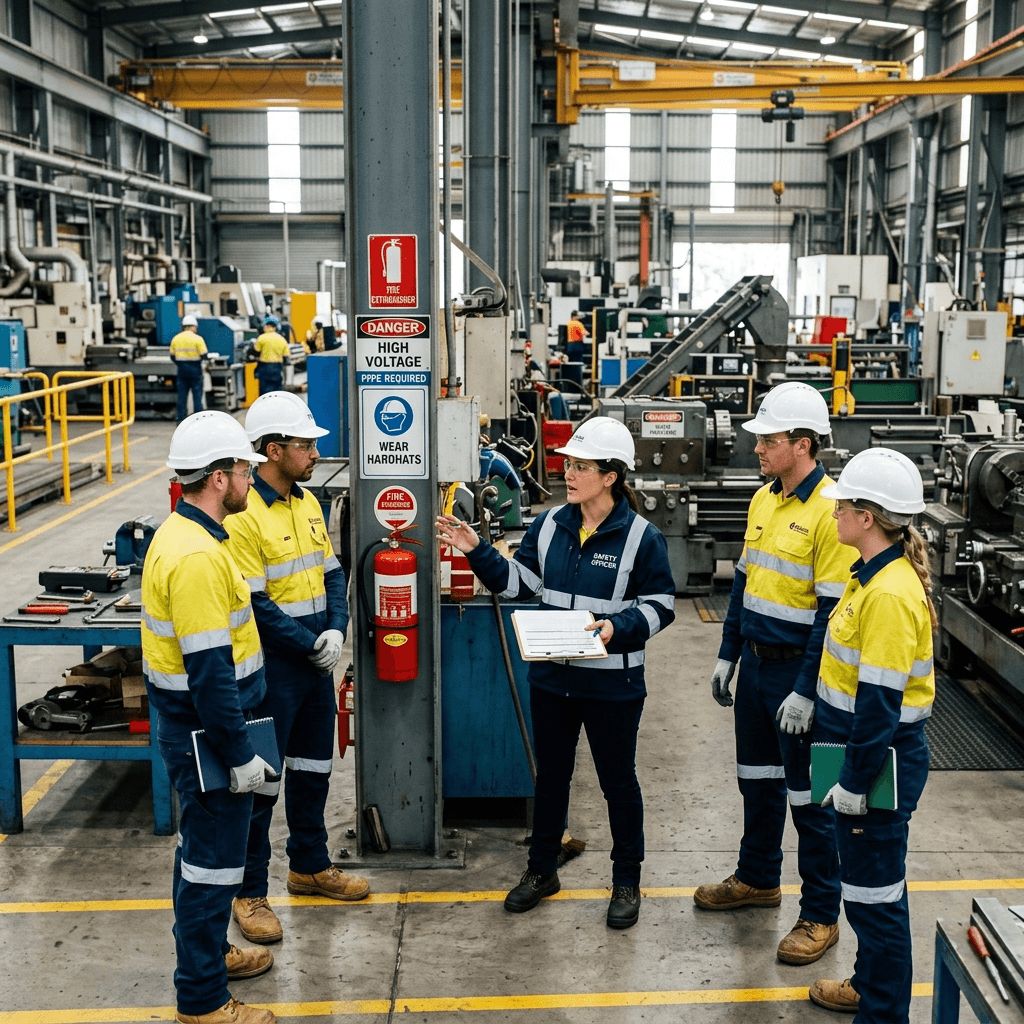
If you already hold a Diploma or Degree in Mechanical, Civil, Chemical, Electrical Engineering, or B.Sc (Physics/Chemistry), adding a 1-year Advanced Diploma in Industrial Safety (ADIS) or PG Diploma in HSE instantly doubles your market value. Employers prefer safety officers who understand machinery, structural integrity, and chemical reactions.
4. Rapid Promotion Pathways into Management
Unlike traditional site engineers who spend 10-15 years waiting for promotions, Safety Officers report directly to Plant Heads, Managing Directors, and Corporate Boards. A Junior Safety Officer can advance to HSE Manager, Regional Safety Director, or International Safety Auditor within 5 to 7 years.
5. High Job Satisfaction & Life-Saving Purpose
Safety engineering is a noble career. Your daily decisions directly prevent workplace explosions, chemical leaks, structural collapses, and fatal injuries. Knowing that your work ensures hundreds of workers return home safely to their families every day brings immense pride and job satisfaction.

How to Switch to a Fire & Safety Career at NIFS India (3 Clear Paths)
Choose Your Career Transition Path:
Path A: For B.E. / B.Tech / B.Sc / Polytechnic Engineers
Enroll in the 1-Year Advanced Diploma in Industrial Safety (ADIS) or PG Diploma in HSE. Qualifies you for statutory Safety Officer roles under DISH rules and top-tier Gulf HSE positions.
Path B: For 12th Pass Students (Science, Commerce, Arts)
Enroll in the 1-Year Diploma in Fire & Safety (DFS) or 3-Year B.Sc in Fire & Industrial Safety. Fast-track entry into industrial safety roles with starting salaries of ₹25,000+.
Path C: For Working Professionals Seeking Salary Boost
Flexible weekend and blended learning diploma modules. Upgrade your existing technical profile without taking a career break.
Why NIFS India is the #1 Choice for Fire & Safety Education
- 25+ Years of Academic Excellence: Trusted training partner since 2004.
- 45,000+ Alumni: NIFS graduates across industry.
- Official Government & International Approvals: NSDC (National Skill Development Corporation) Approved Partner, Skill India Recognized, ISO 9001:2015 Certified, ANU Academic Collaboration.
- 70+ Training Centers Nationwide: State-of-the-art practical training yards, fire drill simulators, and smart classrooms.
- Placement Cell: Dedicated corporate placement cell connecting students directly with hiring managers.
Take Action Today: Change Your Salary Trajectory!
Stop Settling for ₹15,000/Month!
Join the August 2026 Batch at NIFS India. Build a high-paying, legally-protected career in Fire & Industrial Safety.
Admissions Helpline: +91-8374-340-999 | Email: headoffice@nifsindia.com
Frequently Asked Questions (FAQ)
1. Can Mechanical, Civil, or Electrical engineers switch to Fire & Safety?
Yes! In fact, engineers are the preferred candidates for senior safety engineering roles. A 1-year ADIS or PG Diploma from NIFS India equips engineering graduates with the statutory safety credentials required by law.
2. What is the starting salary for a fresh safety officer in Gulf countries?
Fresh safety diploma holders placed in Gulf countries (Dubai, Saudi Arabia, Qatar) earn starting packages between $1,200 and $1,800 per month (approx. ₹1,00,000 to ₹1,50,000/month), often including free accommodation and food allowances.
3. Is the NIFS ADIS diploma recognized under the Factories Act?
Yes. NIFS India's safety programs conform to statutory requirements, NSDC guidelines, and industrial safety regulations mandated under Factories Act Section 40-B.
Ready to Start Your Career in Fire & Industrial Safety?
Explore NIFS government-recognized and NSDC-approved diploma programs.
Companies Currently Hiring Through NIFS
NIFS/IFESM
SAFETY PROFESSIONAL
ROBOMATIC PRECON PVT LTD
SAFETY OFFICER
Beekay Steel Industries Ltd
Safety Officer
Frequently Asked Questions
Why do Mechanical and Civil engineers switch to Industrial Safety?
Engineers switch to Industrial Safety (HSE) because entry-level HSE roles offer 2x higher salaries and high demand in Gulf oil & gas refineries.
Is ADIS or PDIS mandatory for engineering graduates?
Yes, an ADIS or PDIS qualification is mandatory under the Factories Act for appointment as a Chief Safety Officer in manufacturing plants.
Start Your Career in Industrial Safety Today
NSDC-approved Diploma, Advanced Diploma, and Degree programs with a dedicated placement cell.