How Industry-Specific Safety Training Can Help You
A strong foundation in industry-oriented fire and safety courses is more than just a regulatory necessity-it serves as a critical stepping stone toward securing rewarding career opportunities across various sectors. As industries grow more complex and workplace safety demands become increasingly stringent, employers actively seek professionals who possess not only theoretical knowledge but also practical skills tailored to their specific environments. This rising demand makes specialized safety training an invaluable asset for those aiming to differentiate themselves in a competitive job market.
The Importance of Industry-Specific Safety Training
Industry-specific safety training goes beyond generic safety principles by addressing the unique risks, regulations, and operational challenges inherent to fields such as construction, manufacturing, oil and gas, or healthcare. For instance, a safety officer course in Hyderabad is designed to focus on the safety protocols and hazards prevalent in the region’s dominant industries. This ensures that learners are well-prepared to handle real-world scenarios they are likely to encounter professionally.
Such targeted training develops relevant skills that are immediately applicable in the workplace. Employers value candidates who bring practical expertise, as it reduces the need for extensive on-the-job training and enhances overall workplace safety. Furthermore, understanding and implementing industry-specific compliance standards helps organizations mitigate legal risks, making candidates with this knowledge highly desirable.
How Specialized Training Enhances Employability
Industry-oriented fire and safety courses equip individuals with critical emergency response skills, enabling them to act decisively during fire outbreaks or hazardous incidents. This practical know-how minimizes damage and protects lives, which is a top priority for employers. Additionally, trainees learn to conduct thorough risk assessments and implement mitigation strategies tailored to their industry’s unique challenges. This ability to proactively manage risks is a key factor that employers look for when hiring safety professionals.
Beyond technical skills, specialized training fosters strong communication and teamwork abilities, which are essential during emergencies and daily safety operations. Graduates of such programs often exhibit greater confidence and leadership qualities, positioning themselves for supervisory and managerial roles within organizations.
The Role of NIFS India in Industry-Oriented Safety Training
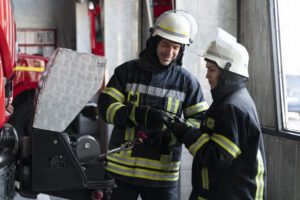
NIFS India is recognized for bridging the gap between theoretical knowledge and practical application through its comprehensive industry-oriented fire and safety courses. The institute’s state-of-the-art facilities include simulation labs and emergency response exercises that replicate real workplace conditions. This hands-on approach ensures that students not only understand safety concepts but also gain the confidence and competence to apply them effectively.
By focusing on practical training aligned with industry standards, NIFS India prepares candidates to meet employer expectations and contribute meaningfully to workplace safety from day one. This blend of theory and practice significantly enhances employability and career growth prospects.
Why Employers Prefer Candidates with Specialized Safety Training
Employers understand that hiring professionals with industry-specific safety training results in fewer workplace accidents and injuries, which in turn reduces operational costs and improves productivity. Such candidates help maintain compliance with local and international safety regulations, thereby lowering legal liabilities for the organization. Moreover, these trained professionals contribute to fostering a culture of safety that enhances employee morale and operational efficiency.
Conclusion
Pursuing industry-oriented fire and safety courses, including a safety officer course in Hyderabad, is a strategic investment for anyone seeking to build a successful career in safety management. Specialized training equips individuals with the skills and confidence employers demand while demonstrating a commitment to professional development and workplace well-being. To learn more about how industry-specific safety training can elevate your career prospects, visit our website and explore the comprehensive programs and practical learning opportunities available.
Have Questions About Admissions, Eligibility, or Fees?
Chat directly with NIFS Official Career Advisors on WhatsApp for free counseling and course guidance.
Chat on WhatsApp (+91-8374-340-999)Ready to Start Your Career in Fire & Industrial Safety?
Explore NIFS government-recognized and NSDC-approved diploma programs.
Companies Currently Hiring Through NIFS
NIFS/IFESM
SAFETY PROFESSIONAL
ROBOMATIC PRECON PVT LTD
SAFETY OFFICER
Beekay Steel Industries Ltd
Safety Officer
Frequently Asked Questions
What are the eligibility requirements for How Industry-Specific Safety Training Can Help You Land Better Jobs at NIFS?
Eligibility ranges from 10th pass for certificate courses to 12th science or ITI/Diploma/Degree for advanced safety diplomas. Counselors verify certificates during admission.
Are NIFS Fire and Safety programs NSDC and university recognized?
Yes, NIFS courses are NSDC-approved, recognized by PSU, private industrial employers, and overseas firms in Gulf countries.
Does NIFS provide placement assistance after course completion?
Yes, NIFS has a dedicated placement cell and 45,000+ alumni.
Start Your Career in Industrial Safety Today
NSDC-approved Diploma, Advanced Diploma, and Degree programs with a dedicated placement cell.