Fire Risk Assessment for Businesses Protecting Your Workplace and Employees
Safety should be a paramount consideration for any business in today’s highly charged business environments. A fire risk assessment for business is one of the essential rules, if safety is to be guaranteed. Whether you own a small shop or are a manager of a big company a professional fire risk assessment will be useful to prevent possible dangers in your working place for your and your workers’ safety.
What Do You Mean By Fire Risk Assessment?
A fire risk assessment is therefore a step by step appraisal of your business premises with a view to establishing fire risks, likely risks and preventive measures. It becomes a preventive measure to the likelihood of fire occurrence and at the same time a measure of guaranteeing compliance with the legal requirements on fire.
What makes fire risk assessment relevant for businesses?
- Protected Lives: The basic aim of a fire risk assessment exercise is to prevent loss of lives of employees, customers and visitors.
- Prevents Property Damage: Thus, businesses can avoid the losses to the property and assets before it turns into devastating disasters.
- Ensures Legal Compliance: For instance, most local laws and safety standard do provide that businesses need to conduct periodic fire risk assessments. There are penalties for non-compliance.
- Builds Employee Confidence: The employees are secure and more comfortable working in an organization that takes time to observe the fire safety measures.
- Reduces Insurance Premiums: An efficient documentation of the possibility of fire ignition is beneficial in policy bargaining with insurance companies.
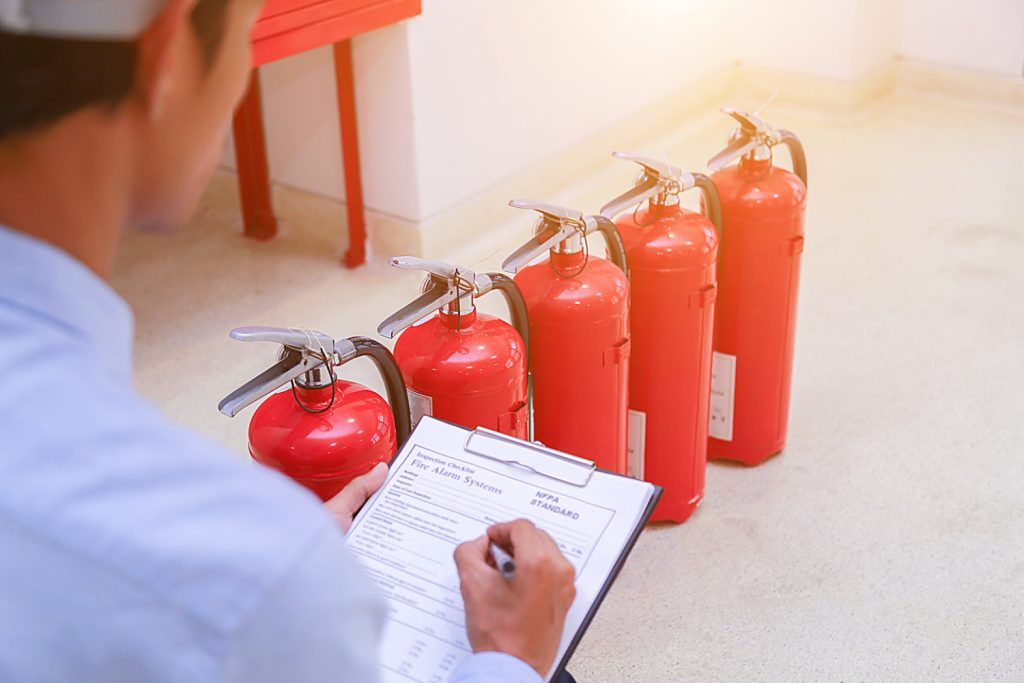
Preparation of Fire Risk Assessment
A fire risk assessment involves five key steps:
1. Identify Fire Hazards
- Sources of Ignition: Look for open flames, electrical appliances and other devices which provide heat and can cause a fire, and for appliances which are hot to the touch.
- Fuel Sources: Describe what are inflammable products such as papers, woods, chemicals, textile etc.
- Oxygen Sources: Control the oxygen flow by guaranteeing that the house has proper ventilation.
2. Identify People at Risk
- Some employees who may be on their own or in a high-risk spare environment.
- Firstly, First, second, third, fourth, fifth; secondly, New employees, other workers or guests, guests, contractors, or customers with no prior knowledge of the building layout.
- Susceptible workers – employees who are old or have physical disabilities.
3. Evaluation or Minimisation, Elimination or Reduction of Risks
- Outright change of existing electrical wiring and equipment.
- Keep combustible articles in secured areas and at a safe distance from fire promoting elements.
- Utilize resistant doors and windows to the building.
- Waste should be disposed properly to prevent it from undergoing explosive changes in case there is an outbreak of fire.
4. Record, Plan, and Train
- Documentation: Document all the witnessed risks and associated plans in the course of the undertake processes.
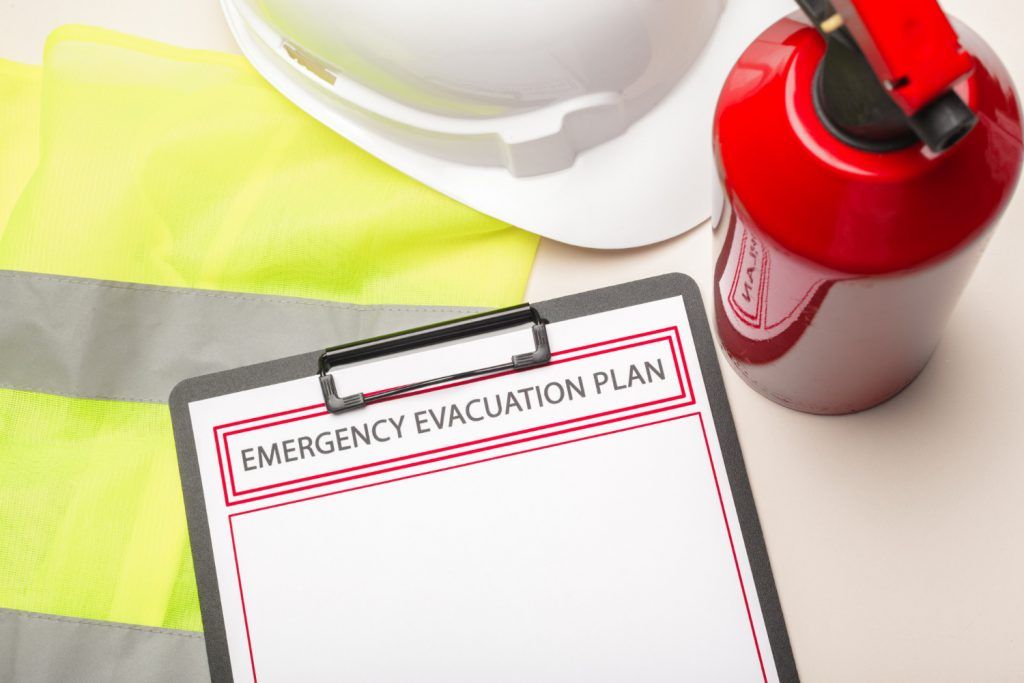
- Emergency Plan: Ensure you have an emergency plan of how to evacuate and place the plan where everyone can see it easily.
- Training: Educate the employees inaken use of fire extinguishers and evacuation drills.
5. Review and Update Regularly
- Fire hazards can evolve over time depending with alterations in structure, installations, or other activities of occupants or owners. To ensure that the assessment is as up to date as possible the periodic reviews are critical.
Essential Stages of Fire Protection Plan
A comprehensive fire safety plan should include:
- Fire Detection Systems: Intal smoke detectors, heat sensors, and alarm system.
- Firefighting Equipment: Make certain that fire extinguishers, hoses, and blankets are easily accessible and well checked.
- Emergency Exits: Sign all exit points and always ensure that they are not blocked.
- Evacuation Drills: This is a good time to perform drills to ensure that everyone knows how to evacuate in case of an emergency.
- Contact Information: Provide contact details of emergency, consisting of fire fighting and medical centres.
Types of Fire Risks Existed in Organizations
Understanding common fire hazards can help businesses take preventive measures:
Electrical Equipment: Overloaded sockets, bad wiring, and ruined appliances.
- Flammable Materials: Chemicals that are stored in incompatible manner and conditions and / or unas.
- Cooking Areas: Preparation of foods in kitchen inside offices sometimes may lead to fire disasters if well addressed.
- Heating Systems: Old and unattended heaters boilers.
- Human Error: Carelessness like taking a smoke in prohibited places and handling equipment improperly.
Advantages Of Undertaking A Fire Risk Assessment
- Cost Savings: Since fire disasters minimize business interruptions and repair bills, it is possible to decrease the number of fire-related occurrences.
- Reputation Management: Implementing a fire-safe workplace increases your business’s standing with your employees and customers.
- Peace of Mind: It is thus freeing to know that in case of fire, your workplace is ready to protect its employees and assets which then frees you up for business expansion.
How NIFS Can Help
Fire Risk Assessment and safety services at NIFS, the leading Institute in fire and safety industry offers expert consultancy and training. Our team of professionals provides:
- Fire risk management services that are appropriate to your business establishments.
- Organization of fire safety training for employees and managers.
- Help with regard to the fire safety laws.
How To Upgrade Fire Safety Allocate
- Inspect and test fire equipment routinely.
- To promote safeness, one has to make sure employees understand what safety culture is all about.
- It is required to conduct the fire drills on and off frequently periodically.
- The list of fire safety should be updated and readily available.
- Collaborate with fire experts in order to always learn the recent evolution in this domain.
Conclusion
Fire risk assessment is not about checking the legalities, it is a prudent way of safeguarding lives and properties. When practices are evaluated for possible threats, protective steps put in place and safety awareness increased, organizations can provide safeguards for everyone.
Do not wait for some disaster to happen so that you can be able to learn the importance of safety.
Take action today! Arrange professional fire risk assessment at your business from NIFS and protect your business from life-threatening mishaps.
Have Questions About Admissions, Eligibility, or Fees?
Chat directly with NIFS Official Career Advisors on WhatsApp for free counseling and course guidance.
Chat on WhatsApp (+91-8374-340-999)Ready to Start Your Career in Fire & Industrial Safety?
Explore NIFS government-recognized and NSDC-approved diploma programs.
Companies Currently Hiring Through NIFS
NIFS/IFESM
SAFETY PROFESSIONAL
ROBOMATIC PRECON PVT LTD
SAFETY OFFICER
Beekay Steel Industries Ltd
Safety Officer
Frequently Asked Questions
What are the eligibility requirements for Fire Risk Assessment for Businesses: Protecting Your Workplace and Employees at NIFS?
Eligibility ranges from 10th pass for certificate courses to 12th science or ITI/Diploma/Degree for advanced safety diplomas. Counselors verify certificates during admission.
Are NIFS Fire and Safety programs NSDC and university recognized?
Yes, NIFS courses are NSDC-approved, recognized by PSU, private industrial employers, and overseas firms in Gulf countries.
Does NIFS provide placement assistance after course completion?
Yes, NIFS has a dedicated placement cell and 45,000+ alumni.
Start Your Career in Industrial Safety Today
NSDC-approved Diploma, Advanced Diploma, and Degree programs with a dedicated placement cell.