Fire Fighting Course: Comprehensive Guide for Professionals | NIFS
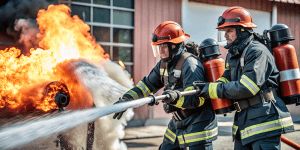 It has been observed that safety is the most valued product in the present organized industrial and trading sectors. It is known that if you know how to fight fire effectively in construction, manufacturing, healthcare, and all other sectors connected with the dangerous activities, it can avoid the huge loss of human life and property loss. At NIFS, we aim at preparing the professionals to deal with fire disasters with the best technique possible. This complete guide is designed to provide detailed information on the role of fire fighting Courses for professionals, an overview of the format for these courses, as well as other skills and advantages of acquiring fire safety certification.
Why Firefighting training is critical for professionals
Fire can occur at any time and move faster, particularly in workplaces with many machines, where some chemicals are used or where extreme heat is experienced. Employees have fire risks in many ways within their work places; the risks may be originating from electrical apparatus, flammable chemicals, among other daily risks. And that is why individuals should undergo training in firefighting methods and procedures.
While the trained employees are capable of quickly putting out the small fires before they become big ones, they also provide assistance in terms of moving people away from the burning area and perhaps even preventing further loss of some lives. In addition, companies arrange for meeting regulatory safety requirements, improving employee’s safety, and cutting on costs that may be incurred due to property damage. Through a firefighting course, an individual is produced with skills that would protect themselves and workplaces.
Key components of a Fire fighting course
Fire Fighting Course is intended to supply necessary background information on fire prevention and hands-on experience on how to deal with fire disasters.
- Fire science and combustion: For the effective combating of fires, the science of fires is very important. The basic learning that is usually given at the beginning of the courses tends to include an explanation of the causes of fires, the kinds of fuels that are potential fire sources and ways that different components of fire, including oxygen and heat, influence the fire process. Understanding the “fire triangle” (fuel, heat, and oxygen) is critical in identifying how to control and eliminate fires at their source.
- Types of fires and extinguishers: Different fires are not the same and this has different ways of extinguishing them. You’ll learn about the different classes of fires:
Class A: Fires classified by contents as class A, that is, fires involving solid combustible materials like wood, paper, and cloth.
Class B: Burns that involve substances such as gasoline, oil, and other flammable liquids.
Class C: Lightning fires that result from an electric spark, lights or other equipment that have developed faults.
Class D: Combustible Metals fire hazards.
Class K: Cooking fires with oil and fats are the most common types of fire incidents reported.
All fire categories need different types of extinguishers (water, foam, powder, CO2, etc.), and you will be introduced to the right use of these extinguishers for every class of fire throughout the course.
- Fire Suppression Techniques: In the Fire Fighting Course, the most essential aspect is learning practical methods of fighting fire. Some of the lessons passed include the use of fire extinguishers, fire blankets, hoses, and other equipment. Experts also get to know things like confining fires, starvating the fires, and surrounding the fire before it can extend.
- Emergency Evacuation and Communication: As in any other institution, a fire emergency may occur, so it is necessary that students, staff, and other residents in that area be evacuated immediately and orderly. They will be trained on how to evaluate a situation, evacuate, and interact with professionals in the field. Courses also show how to operate fire alarms, evacuation corridors, signals, and communication equipment.
- Hands-on simulations: For this reason, practice for all the participants is provided in fire environments, which is provided in many courses. It affords professionals the opportunity to put into practice what they have learnt in real life scenarios, hence building their confidence when faced with real life emergencies.
- Teamwork in Fire Fighting: In general, the extinguishing of fire at professional levels may be a group activity. In this sense, courses are taught in order to enable people to coordinate and assign or delegate duties and follow certain plans and strategies in order to fight fires effectively. Team based simulations are the main essential elements of professional fire fighting.
Benefits of Fire Fighting certification for professionals
Completing a Fire Fighting Course offers numerous benefits for professionals and organizations alike:
- Enhanced workplace safety: Fire training is a way of minimizing on incidences of injuries and fatalities within places of work. Qualification of workers on how to deal with fire incidences can prevent a fire disaster from escalating and can guarantee the safety of everyone.
- Compliance with safety regulations: Many industries today have health standards that demand companies have people trained in handling fire related issues. In this way, getting certification allows companies to fulfill these regulations, thus avoiding fines and guaranteeing a safer workplace.
- Prevention of property damage: Fires can result in property damages that stop operation and hence result in costly impacts. Fire fighting should be done as soon as possible to avoid the extension of the fire size, helping to save sensitive tools and facilities.
- Improved employee morale: The respondents and clients feel secure knowing that their place of work is safe and they have the knowledge and sufficient ability to prevent fire outbreaks. This can help employ change, improve morale amongst employees and make the workplace more secure to foster collaboration.
- Career Advancement: Fire fighting certification brings new opportunities for professionals. Managers in many industries demand their safety-trained employees be placed in senior management positions or occupational health and safety positions.
Fire Fighting Training for High-Risk Industries
Some industries are more prone to fire hazards than others, and in these fields, fire fighting training is even more critical. Let’s explore how different sectors benefit from fire safety training:
- Construction industry: Flammable material is often found on construction sites since it comprises many machines, heavy equipment, and sensitive materials through procurement and construction activities. A Fire Fighting Course familiarizes construction employees with fire incidents, safeguards the team, and mitigates harm.
- Chemical and Petrochemical Industries: These industries involve handling very sensitive products, such as highly inflammable liquids, gases, and chemicals, and therefore need to conduct fire training. Firefighters also get to understand how best to combat fires that involve dangerous products and the threats associated with explosions or poisonous content.
- Manufacturing and Warehouse: It is common to find a large stock of inflammable materials in the large warehouses and big manufacturing units. Fire fighting courses focus on how to respond swiftly, identify sources of fire risks and manage huge buildings.
- Healthcare Industry: There are many patients and electrical appliances, medical equipment’s, and consumables in the hospitals and clinics that are vulnerable once the fire breaks out. Firefighting training prepares healthcare professionals on how to safeguard patients from burns and, at the same time, put out fires quickly and effectively.
Conclusion
In the course of any working process and in various spheres of professional activity, including those that are considered to be potentially dangerous 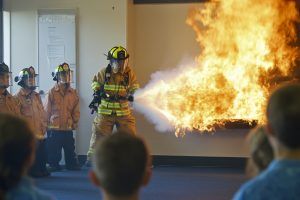 and hazardous, it is essential to be ready for fire emergence. A Fire Fighting Course is required for those intending to participate in fighting fires, protecting lives as well as property. This training covers all aspects, starting from studying fire science to practical interaction with extinguishers and suppression strategies, steps, etc. that help them to act efficiently.
For industries with increased fire risks, fire safety certification is not only a legal requirement but also absolute safety assurance. These can be of great benefit to a business since business entities are also assured that they are well prepared for fire incidents, while professionals also acquire relevant skills in enhancing safety, for themselves or for the business.
At NIFS, through the Fire Fighting Course, the professionals are able to make a significant move to ensuring that they promote a safer workplace, hence eliminating the tendencies of fire disasters and losing lives.
Have Questions About Admissions, Eligibility, or Fees?
Chat directly with NIFS Official Career Advisors on WhatsApp for free counseling and course guidance.
Chat on WhatsApp (+91-8374-340-999)Ready to Start Your Career in Fire & Industrial Safety?
Explore NIFS government-recognized and NSDC-approved diploma programs.
Companies Currently Hiring Through NIFS
NIFS/IFESM
SAFETY PROFESSIONAL
ROBOMATIC PRECON PVT LTD
SAFETY OFFICER
Beekay Steel Industries Ltd
Safety Officer
Frequently Asked Questions
What are the eligibility requirements for Fire Fighting Course: A Comprehensive Guide for Professionals at NIFS?
Eligibility ranges from 10th pass for certificate courses to 12th science or ITI/Diploma/Degree for advanced safety diplomas. Counselors verify certificates during admission.
Are NIFS Fire and Safety programs NSDC and university recognized?
Yes, NIFS courses are NSDC-approved, recognized by PSU, private industrial employers, and overseas firms in Gulf countries.
Does NIFS provide placement assistance after course completion?
Yes, NIFS has a dedicated placement cell and 45,000+ alumni.
Start Your Career in Industrial Safety Today
NSDC-approved Diploma, Advanced Diploma, and Degree programs with a dedicated placement cell.