DIS vs ADIS vs DFS vs ADFS: Which to Choose?

Four acronyms, four different qualifications, and a lot of confusion for anyone comparing them for the first time. DIS, ADIS, DFS, and ADFS all sit under NIFS India's diploma-level programs, but they target different entry points and different career directions. Here's the actual difference, side by side.

The Four Diplomas at a Glance
| Course | Full Form | Focus Area | Typical Entry Point |
|---|---|---|---|
| DIS | Diploma in Industrial Safety | General industrial/factory safety | 10+2 or equivalent |
| ADIS | Advanced Diploma in Industrial Safety | Advanced industrial safety management | Graduates, or DIS holders progressing further |
| DFS | Diploma in Fire & Safety | Fire prevention, suppression, and emergency response | 10+2 or equivalent |
| ADFS | Advanced Diploma in Fire & Safety | Advanced fire engineering and safety leadership | Graduates, or DFS holders progressing further |
Industrial Safety (DIS/ADIS) vs. Fire Safety (DFS/ADFS)
The first real fork in the decision is industry focus, not level. DIS and ADIS are built around factory-floor and industrial-plant safety — hazard identification, compliance with the Factories Act, workplace risk assessment, and the kind of role a manufacturing, chemical, or heavy-industry employer hires for.
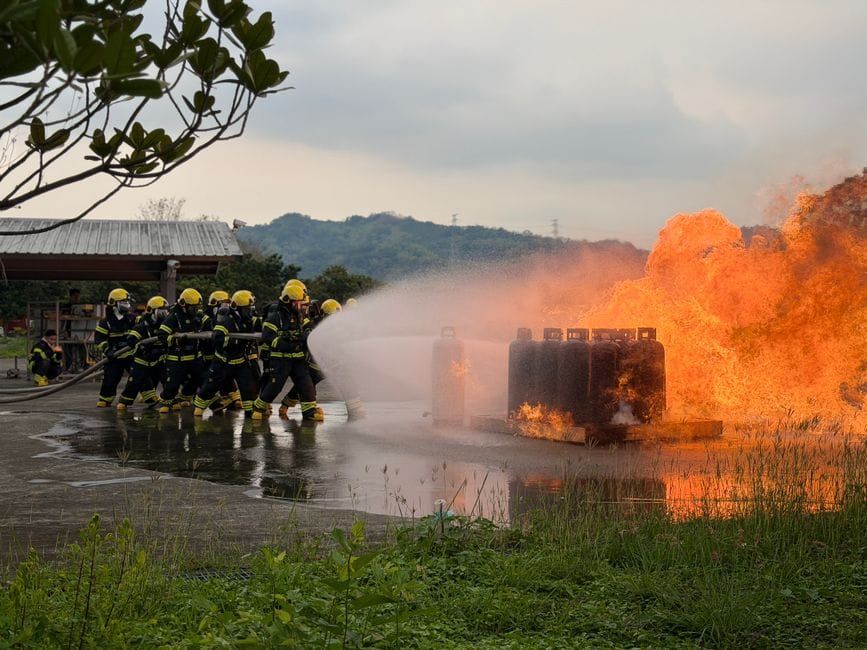
DFS and its advanced counterpart ADFS center specifically on fire prevention systems, suppression equipment, and emergency response — the skill set fire departments, industrial fire safety officers, and commercial fire-compliance consultants are hired for.
If your target job title is "Industrial Safety Officer" or "EHS Officer," the DIS/ADIS track fits. If it's "Fire Safety Officer" or you're aiming toward fire engineering specifically, DFS/ADFS is the more direct route.
Base Diploma vs. Advanced Diploma
Within each track, the "Advanced" tier isn't just a longer version of the base diploma — it assumes either a graduate-level academic background or the base diploma already completed, and goes deeper into safety management, leadership responsibilities, and standards work (relevant to frameworks like ISO 45001) rather than repeating foundational content.

Someone starting straight after 10+2 typically begins at DIS or DFS; someone with an existing degree, or who has completed the base diploma and wants to move into a safety management or leadership role, is the more typical ADIS/ADFS candidate.
Fees and Duration
Exact current fees vary by intake and center — NIFS doesn't publish a single fixed national number since center-level costs differ, so contact admissions directly for the current fee structure at your nearest center rather than relying on a figure quoted elsewhere online. Duration for the base diplomas typically runs shorter than the advanced tier, reflecting the deeper curriculum and industry project components at the advanced level.
Which One Actually Fits You
Working through the decision is easier once you frame it as two separate questions: which industry track fits your target job title, and which level fits your current academic background.

- Just finished 10+2, want to work in a factory/industrial safety role: DIS
- Just finished 10+2, want to work specifically in fire safety/emergency response: DFS
- Have a degree, or completed DIS, and want a safety management/leadership track: ADIS
- Have a degree, or completed DFS, and want advanced fire engineering/leadership: ADFS
Can You Switch Tracks Later?
It's a fair question — if you start with DIS and later decide fire safety is the better fit, you're not locked in permanently. The advanced-tier programs generally look at your overall academic and diploma background rather than requiring the exact matching base diploma, so a DIS holder interested in fire safety leadership isn't automatically excluded from ADFS consideration. That said, it's a genuinely different curriculum, so this isn't a seamless continuation — it's closer to starting a related but distinct advanced program. Confirm the specific cross-track eligibility with admissions directly rather than assuming either way.
Still unsure which fits your specific academic background? NIFS's admissions counselors can map your existing qualifications against each course's actual eligibility criteria — worth doing before you commit to one over the other.
What Employers Actually Screen For at Interview
Beyond the qualification name on a resume, employers hiring for safety roles typically probe for two things during interviews: whether the candidate can walk through a real hazard-identification scenario specific to that employer's industry, and whether the candidate understands the specific compliance framework that applies to that facility (Factories Act clauses for a manufacturing plant, fire NOC requirements for a commercial building, and so on). This is where the difference between DIS/ADIS and DFS/ADFS actually shows up in an interview room — an industrial safety candidate who's never studied fire suppression systems in depth will struggle with fire-specific hazard questions, and vice versa. Picking the track that matches your actual curriculum knowledge to the role you're interviewing for matters more at this stage than the seniority level of the diploma itself.
Explore More
Companies Currently Hiring Through NIFS
NIFS/IFESM
SAFETY PROFESSIONAL
ROBOMATIC PRECON PVT LTD
SAFETY OFFICER
Beekay Steel Industries Ltd
Safety Officer
Frequently Asked Questions
What's the difference between DIS and ADIS at NIFS?
DIS (Diploma in Industrial Safety) is the entry-level industrial safety qualification, typically for 10+2 candidates. ADIS (Advanced Diploma in Industrial Safety) goes deeper into safety management and leadership, and typically suits graduates or those who've already completed DIS.
Should I choose industrial safety (DIS/ADIS) or fire safety (DFS/ADFS)?
It depends on the job title you're targeting. Industrial Safety Officer or EHS Officer roles align with DIS/ADIS. Fire Safety Officer roles or fire engineering specifically align with DFS/ADFS.
How much do NIFS diploma courses cost?
Fees vary by course tier and center, so NIFS doesn't publish one fixed national figure. Contact NIFS admissions directly for the current fee structure at your nearest center.
Can I switch from the industrial safety track to the fire safety track later?
You're not permanently locked in — advanced-tier programs generally consider your overall academic background rather than requiring the exact matching base diploma — but it's a genuinely different curriculum, not a seamless continuation. Confirm specific cross-track eligibility with admissions directly.
Start Your Career in Industrial Safety Today
NSDC-approved Diploma, Advanced Diploma, and Degree programs with a dedicated placement cell.