Building a Safer Tomorrow the Role of Fire and Safety Training in Modern Workplaces
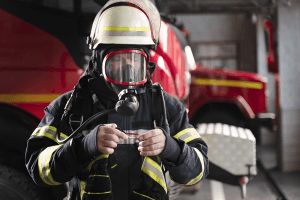 The safety of employees at the workplace is something that is taken very seriously in any organization and therefore fire and safety training is very crucial. Be it a small office or a big industrial unit, it is very essential to know how to protect against fire and how to deal with them if they occur, with reduced life threat, property damage, and operational loss.
In this blog, you’ll find the importance of fire and safety training in preventing workplace accidents. The key aspects of workplace fire and safety training, advantages of promoting a fire-safe work culture, role of fire safety audits and fire safety plans, and how to maintain a fire-safe workplace.
Why fire and safety training matters
- Fire prevention
The most important component of fire and safety training is always prevention. This way, employees understand what a fire threat can be and concentrate on the smaller factors that could cause a fire. These are measures such as storage of flammable materials, overload in outlets, and proper and correct functioning of all equipment used. The point is to minimize the risk of fires before they begin.
- Saving lives and minimizing damage
Compliance with fire and safety training gives employees knowledge they will need in the case of an experience in fires and emergencies. This is how people know how to act during a fire, so that emergency evacuation would be executed as fast as possible and avoid accidents and probably fatalities. Approaching such incidents reduces the extent of losses that may be incurred due to fire mishaps.
- Proper use of fire extinguishers
Fire and safety training is incomplete without teaching the candidate how to deal with fire extinguishers. The types of fire extinguishers are not enough to just be installed; the employees are to detect the various types of extinguishers and their uses. For instance, Class A extinguishers are about ordinary combustibles, whereas Class C extinguishers are about electrical fires. Fire and safety training ensures that employees are familiar with the PASS method: pull, aim, squeeze, and sweep.
Key components of fire and safety training
The key steps to undertake when putting in place an effective fire and safety training regime include the following: The training should thus go further, not only providing new knowledge in security to the employees but also instilling a positive security culture among the employees.
- Recognizing fire hazards
Awareness of fire hazards is the first lesson that any fire and safety training program must offer to its employees. From noticing that wires are frayed to knowing the risks involved in inadequate storage of inflammable substances, hazard identification is vital in preventing fires.
- Education of employees about the fires
Workers must understand precisely how to act when there is a fire incident. Fire and safety training refers to the evacuation drill; people know where to exit and where to gather. The quicker everyone can get out of the building, the fewer lives are lost and possible injuries.
- Clearly, a comprehensive evacuation plan is an important condition that should be considered
An efficient procedure that involves evacuation is one of the key elements of fire protection systems. First, they should know all the exits and second, the path to these exits should be kept free of obstruction. It is always important to have regular training on fires and safety with regard to these evacuation plans.
- Regular fire drills
Like the sun extinguishing drills, the fire drills give the employees an opportunity to exercise the evacuation procedures they were taught. Drills help to guarantee that all members of a building understand how to act and react fast and properly in the presence of a fire. These drills should imitate reality in order to expose employees to real life conditions in case of a fire.
- Examine fire safety equipment
Concerning fire safety measures, what people should know is that extinguishers, smoke alarms, and sprinkler systems, among others, should always be in good working condition. During fire and safety courses, employees should be taught how to exercise the fire safety systems in order not to experience a breakdown during emergencies.
- Setting up a fire safety plan
An up-to-date version of the fire safety plan should be developed and made available to all employees in the organization. A plan they are to prepare should contain fire prevention measures, the location of extinguishers and sprinklers, an evacuation map, and the roles of employees during fires. Fire and safety training ensures that all the people know where to find the fire safety plan and what should be done.
- Fire hazards on the workplace and their elimination
After the appearance of potential fire hazards, one should under no circumstances wait to come up with measures of handling the common cause of fires. This can range from changing electrical wiring to the arrangements made for storing products that may cause fire. A workplace without fire risks is much less likely to contain a fire incident.
- Creating awareness on the fire safety plan and holding a meeting of the fire safety plan
The actual procedure of revising the plan is no less significant than the development of the fire safety plan. Fire and safety training should be taken in requisite periods because changes may arise within the company or industry that might affect the prior plan. This aids in maintaining constant reminders of fire safety practices all throughout the workplace.
Building a culture of safety
Establishing the cornerstone of fire safety takes a long time whenever it is installed in any organization. Other benefits include that when the employees have confidence in their fire and safety training, then the response level during emergencies will be sharp, thus minimizing losses through injuries or deaths. Safety culture also helps to demonstrate the company’s care about the workers and can make a positive impact on the level of their turnover.
Conclusion
Fire safety is not just a program today but rather a continuous endeavor to protect everyone at the workplace. Good fire and safety training facilitates
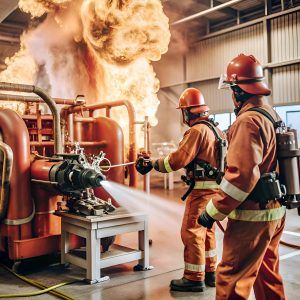
awareness of employees so that in the event of a fire disaster the impact is reduced while at the same time practicing the principles of preventing a fire disaster are put in place. By enacting standard training, the risk that goes with fire risks can be minimized, along with the loss of lives and money that comes with it.
Currently at NIFS, we foster prevention. In its fire and safety training service, we offer the client’s employees personalized training that enables them to be empowered about fire risks. Let’s make our future safer one workplace at a time by understanding how we can protect our employers and employees.
By making fire and safety training a priority, companies can protect their most valuable assets: their employees and their enterprise.
Have Questions About Admissions, Eligibility, or Fees?
Chat directly with NIFS Official Career Advisors on WhatsApp for free counseling and course guidance.
Chat on WhatsApp (+91-8374-340-999)Ready to Start Your Career in Fire & Industrial Safety?
Explore NIFS government-recognized and NSDC-approved diploma programs.
Companies Currently Hiring Through NIFS
NIFS/IFESM
SAFETY PROFESSIONAL
ROBOMATIC PRECON PVT LTD
SAFETY OFFICER
Beekay Steel Industries Ltd
Safety Officer
Frequently Asked Questions
What are the eligibility requirements for Building a safer tomorrow: The role of fire and safety training in modern workplaces at NIFS?
Eligibility ranges from 10th pass for certificate courses to 12th science or ITI/Diploma/Degree for advanced safety diplomas. Counselors verify certificates during admission.
Are NIFS Fire and Safety programs NSDC and university recognized?
Yes, NIFS courses are NSDC-approved, recognized by PSU, private industrial employers, and overseas firms in Gulf countries.
Does NIFS provide placement assistance after course completion?
Yes, NIFS has a dedicated placement cell and 45,000+ alumni.
Start Your Career in Industrial Safety Today
NSDC-approved Diploma, Advanced Diploma, and Degree programs with a dedicated placement cell.