Fire Industrial Safety Course: A Essential Training
Safety is no longer an option but a necessity in modern industrial life, and things keep getting livelier. Fire safety training and industrial safety training programs or fire industrial safety course are conducted to avert such accidents, lives, and dollars from waste. The whole training may indeed offer total fire industrial safety preparedness to individuals and organizations to face the emergencies in times of need.
The Importance of Fire & Industrial Safety
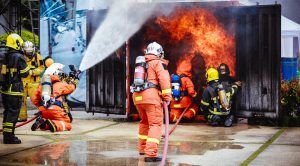 From a Manufacturing unit to a corporate office or construction site, every workplace faces some risk factors of fire and industrial hazards. Other risk aversion strategies include learning safety protocols and behavioral patterns that minimize or restrain risk exposure. Fire and industrial safety training portray an organization’s serious commitment towards worker wellness. Organizations that mean business regarding providing a functional yet safe aisles for their employees have those industrial and fire safety training courses in place.
It is a fire safety requirement that enables smooth continuity of businesses, including the absence of fire incidents even in workplaces. An injury in the workplace can be disastrous, leaves loss of life behind, colossal financial loss well beyond imagination, and damage done irreparably to reputation. This is a company recognized as providing safety features strong enough to stand firm to all these evils, besides being capable of providing long-term stability and sustainability.
Key Aspects Covered in a Fire Industrial Safety Course
- Fire Prevention Techniques
- Identifying fire hazards
- Proper storage of flammable materials
- Fire safety and electrical safety equipment
- Maintaining housekeeping and waste disposal to avoid fire hazards
- Evaluations and strategies for fire risk management
- Emergency Preparedness & Response
- Evacuation procedures and emergency exit planning
- Fire extinguisher types and proper usage
- First-aid training for burn injuries and smoke inhalation
- Communication strategies during emergencies
- Fire drills and mock emergency exercises
- Industrial Hazard Management
- Handling hazardous chemicals and their safe storage
- Machine safety protocols to prevent accidents
- Personal protective equipment (PPE) usage
- Risk assessment and mitigation techniques
- Safe work practices and hazard communication
- Regulatory Compliance & Safety Standards
- OSHA (Occupational Safety and Health Administration) guidelines
- NFPA (National Fire Protection Association) codes
- Local fire safety laws and compliance requirements
- Industry-specific safety regulations
- Workplace incident reporting and record-keeping
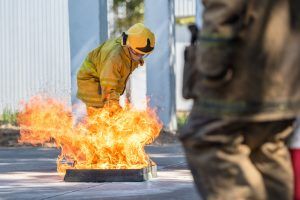 Why a Fire Industrial Safety Course is Essential
- Enhanced Workplace Safety: Awareness of hazards is heightened and employees take proactive measures to guard against accidents.
- Compliance: Organizations comply with safety regulations avoiding penalties and legal hassles.
- Fewer Injuries at the Workplace: Training avoids accidents, leading to lesser disruptions in productivity.
- Improved Emergency Response: Employees can react quickly during emergencies, preventing loss of lives and property damage.
- Cost-Saving: Reducing accidents lowers insurance costs, medical expenses and compensation.
- Trust Building Employee: Training develops confidence in employees to help them act in emergencies.
- Better Risk Analysis: Hazard exposure can easily be analyzed and mitigated, thereby reducing liabilities by organizations.
- Positive Safety Culture: Safety awareness could make the work environment attendable for employees in participating for the betterment of the prevention of hazardous activities.
Who Should Take a Fire Industrial Safety Course?
- Factory and warehouse workers
- Construction site employees
- Office managers and facility supervisors
- Safety officers and compliance professionals
- Engineers and maintenance staff
- Emergency response teams
- HR professionals responsible for workplace safety training
The Role of Employers in Fire & Industrial Safety
Employers are important participants in ensuring safety at the workplace. Providing training, doing safety drills regularly, and applying compliance measures help create a safe atmosphere at work. High-quality safety equipment such as fire suppression systems is needed, as well as consistent inspections of facilities to determine a potential threat.
a culture of safety in organizations must also be created, which makes employees feel safe when speaking about hazards and taking safety precautions. it becomes a shared responsibility rather than an individual concern, which makes workplaces safer.
The Increasing Demand for Fire Safety Professionals
The aforementioned factors have increased the demand for fire safety professionals, as industries grow and the regulations on safety in the workplace increase. Taking a fire industrial safety course opens many doors of employment opportunities in safe management, compliance enforcement, and emergency response planning. Industries, including manufacturing, oil and gas, construction, and health care, are keenly hunting for trained safety professionals who would work with them to mitigate risks and ensure compliance.
Fire safety professionals can work as fire inspectors, safety officers, risk assessors, or consultants to organizations regarding quality safety practices. It is a stable career with room for lifelong learning and growth.
Specialized certifications are available in the field of fire safety from many institutions, which help professionals improve their credentials in the job market. A well-trained workforce leads to better results in safety and preparedness for the possibilities of hazards.
Investment in Fire and Industrial Safety: A Good Idea
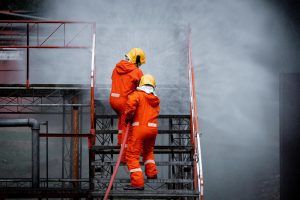 Workplace safety should never be overlooked. Accidents can happen anytime, and being unprepared can lead to dire consequences. By enrolling in a fire industrial safety course, both employees and employers take proactive steps to prevent mishaps, safeguard assets, and ensure compliance with safety standards.
Additionally, prioritizing fire and industrial safety enhances organizational reputation, builds trust among employees, and contributes to overall business success. Companies that prioritize safety see improved productivity, reduced downtime, and a stronger workforce.
Investing in workplace safety training also demonstrates a company’s commitment to social responsibility. When businesses actively work to prevent workplace accidents, they contribute to the well-being of their employees and the larger community.
Conclusion
Fire industrial safety is not an individual responsibility; it is a few investments. Employees have nothing to do with it. Investing in fire industrial safety learning will guarantee that the workplaces will be able to cope up with emergencies. Priority of safety training will build secure working environments and assets and legal compliance for organizations.
Safety in workplaces display the uplifting dimensions of any organization. Proactive action is always better than waiting for disasters to happen. Instead of waiting for a destination to happen, you might as well step up into enrolling in a fire industrial safety course. This could possibly be the greatest step towards having a safe working environment that will be rugged.
Make workplace safety a top priority—your employees, business, and community depend on it.
Start today by taking the first step toward a career that combines purpose with professional growth. NIFS Visakhapatnam you will be professionally built, equipped with sufficient confidence and certifications to launch a successful career.
So, why wait? Hurry up and join NIFS and Explore and enrich yourself with Job-Oriented, Professional Courses in Visakhapatnam.
Have Questions About Admissions, Eligibility, or Fees?
Chat directly with NIFS Official Career Advisors on WhatsApp for free counseling and course guidance.
Chat on WhatsApp (+91-8374-340-999)Ready to Start Your Career in Fire & Industrial Safety?
Explore NIFS government-recognized and NSDC-approved diploma programs.
Companies Currently Hiring Through NIFS
NIFS/IFESM
SAFETY PROFESSIONAL
ROBOMATIC PRECON PVT LTD
SAFETY OFFICER
Beekay Steel Industries Ltd
Safety Officer
Frequently Asked Questions
What are the eligibility requirements for Fire Industrial Safety Course: A Essential Training for Workplace Safety at NIFS?
Eligibility ranges from 10th pass for certificate courses to 12th science or ITI/Diploma/Degree for advanced safety diplomas. Counselors verify certificates during admission.
Are NIFS Fire and Safety programs NSDC and university recognized?
Yes, NIFS courses are NSDC-approved, recognized by PSU, private industrial employers, and overseas firms in Gulf countries.
Does NIFS provide placement assistance after course completion?
Yes, NIFS has a dedicated placement cell and 45,000+ alumni.
Start Your Career in Industrial Safety Today
NSDC-approved Diploma, Advanced Diploma, and Degree programs with a dedicated placement cell.