A Comprehensive Guide to Fire Suppression Equipment Types Usage and Benefits
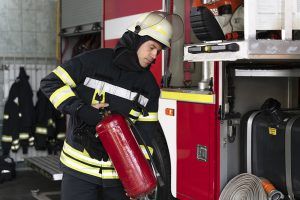 Fire is a strong force that may do tremendous harm in a matter of seconds because it is unpredictable, immediate, and deadly. The positive aspect is that being organized can really make a difference. Having the right fire suppression equipment is an essential first step, whether you’re a business owner supporting your livelihood or a homeowner seeking to protect your family.
There is no shortage of applications where fire suppression equipment offers indisputable value, from residential homes (needing protection against kitchen fires) to commercial spaces (requiring the safeguarding of data) to industrial settings that face an elevated risk of fire as a result of heavy machinery or hazardous materials. This article will go deeper into fire suppression tactics intended for each type of setting. You can protect your house or place of business by choosing wisely once you are aware of the several kinds of fire suppression equipment and how they work.
Types of Fire Suppression Equipment
- Fire Extinguishers
The name that most likely comes to mind when you think of fire suppression is the standard fire extinguisher. Portable fire extinguishers are commonly the quickest line of defense against small fires. They come in a few different types suitable for various classifications of fires:
– ABC Dry Chemical Extinguishers: These are multi-purpose extinguishers and are typically found in homes and offices because they can be used on Class A (ordinary combustibles), Class B (flammable liquids), and Class C fires (energized electrical equipment).
– CO2 Extinguishers: Perfect for electrical fires as they take away oxygen from the fire triangle without leaving behind any residue, which means they are ideal for areas with sensitive fire extinguishers.
– Foam Extinguishers: They are ideal for liquid fires (Class B), and few of the foam extinguishers cause suffocation to put out the flame.
These individual extinguishers all have a specified role in fire safety, and the wrong choice of using onboard fire equipment can mean the difference between how quickly a small localized incident becomes unmanageable.
- Automatic Sprinkler Systems
Whether it is in a residential or commercial building, automatic sprinkler systems are significant for the building. These systems turn on when they sense a certain amount of heat and release water to put out the flames before more damage is done. As the sprinklers work 24/7 with no manual input, they are one of the best tools we have to contain fires in incident areas quickly. A common myth is all the sprinklers in a building will shower water on somebody—they activate only one at a time. Instead, only those sprinklers near the fire operate, minimizing water damage while effectively extinguishing the leading edge of the fire.
- Gas-Based Suppression Systems
In environments where water or foam can do more harm than fire (think data centers or museums), gas-based suppression systems are required (our views; FM-200 and CO2). What happens with these systems is that using them releases inert gases, which lower the oxygen level in the room, essentially starving out the fire without damaging any sensitive equipment. Even though CO2 systems are more affordable, FM-200 systems are the most popular in areas where human safety is a concern, as they generate zero toxic residues and will not ruin sensitive electronics.
- Foam-Based Systems
Foam-based solutions are highly effective in industrial environments, especially where flammable liquids are stored, e.g., oil refineries or chemical plants. As a result of the foam blanketing, the fire is deprived of oxygen, which prevents it from relapsing. Systems such as these are largely used in airports, storage tanks, and hazardous areas.
- Water Mist Systems
A fairly modern technology for fire suppression, water mist systems make use of a fine spray nozzle to create tiny droplets of water. The mist clears 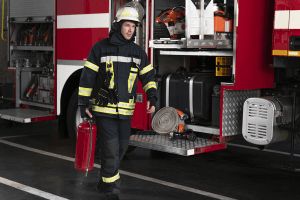 into warm air that gobbles the heat and squeezes it like a serpent as it pushes the life force from out of the flaming circle. As a result, the systems inflict far less water damage and are ideal for environments in which flammable hazardous material is stored or delicate equipment is utilized.
How each equipment works
A fire suppression system works with a single, fundamental purpose: to interrupt or remove one of the components in the fire triangle—heat, fuel, and oxygen. If you take one of these away, the fire cannot go on.
– Heat Sink: In water-based systems such as sprinklers and misting sprays, fire will cool by using the heat.
– Extinguishing by oxygen removal: Gas-based and CO2 extinguishers remove the fire’s source of oxygen, effectively smothering the flames.
– Extinguish Type: Foam systems work by smothering flammable liquids, and denying the fire access to them—no food source, nothing to burn.
One of the usual methods we all see in the operation of fire extinguishers is PASS:
- Pull the pin.
- Point the nozzle at the fire source
- Simply squeeze the handle to use.
- Work your way over the fire, going from one side to the other until it is no longer burning.
Understanding how each type of equipment works ensures that you’re ready to act quickly and efficiently when faced with a fire.
Benefits of Using Fire Suppression Equipment
The most excellent advantage of having fire suppression equipment on standby is that it can act fast. Fires grow exponentially, and every second of delay means more destruction. Fast and efficient is what fire suppression systems are supposed to be: they’ve been known to extinguish a fire even before the emergency services can reach the location.
Another great benefit is the safety they can afford to provide to the residents and workers. Whether you are at home or work, the presence of a fire extinguisher or a sprinkler system ready to go will save you from panic. The correct functionality of fire suppression systems also brings about compliance with fire safety codes; this is critical for businesses that, to avoid lawsuits and fines, have to play by the rules.
Conclusion
Selection of the right fire suppression equipment is very crucial in ensuring safety for any home or business. Not all fires are equal, and their fire-fighting equipment will vary depending upon the environment and the specific dangers of a fire in that environment. From an automatic sprinkler system to one you hold in your hand, gas-based to another, the proper tools can help wipe out a fire before it’s allowed to do irreparable damage.
Proper equipment does not simply mean that they are there. Maintenance and training also have to be in line. Fire suppression equipment must always undergo regular checks to ensure they are in good working order. Employees and residents must also be trained in the proper operation of the equipment so that, in the event of an emergency, they will be able to act confidently and rapidly.
It’s about preparation, prevention, and protecting what matters most. Investing in the proper system is an investment in safety, ensuring that when a fire breaks out, you are equipped to respond effectively. With NIFS (National Institute of Fire & Safety) by your side, you can be confident in making informed choices for fire safety, backed by the expertise needed to stay ready for any emergency.
Have Questions About Admissions, Eligibility, or Fees?
Chat directly with NIFS Official Career Advisors on WhatsApp for free counseling and course guidance.
Chat on WhatsApp (+91-8374-340-999)Ready to Start Your Career in Fire & Industrial Safety?
Explore NIFS government-recognized and NSDC-approved diploma programs.
Companies Currently Hiring Through NIFS
NIFS/IFESM
SAFETY PROFESSIONAL
ROBOMATIC PRECON PVT LTD
SAFETY OFFICER
Beekay Steel Industries Ltd
Safety Officer
Frequently Asked Questions
What are the eligibility requirements for A Comprehensive Fire Suppression Equipment: Types, Usage, and Benefits at NIFS?
Eligibility ranges from 10th pass for certificate courses to 12th science or ITI/Diploma/Degree for advanced safety diplomas. Counselors verify certificates during admission.
Are NIFS Fire and Safety programs NSDC and university recognized?
Yes, NIFS courses are NSDC-approved, recognized by PSU, private industrial employers, and overseas firms in Gulf countries.
Does NIFS provide placement assistance after course completion?
Yes, NIFS has a dedicated placement cell and 45,000+ alumni.
Start Your Career in Industrial Safety Today
NSDC-approved Diploma, Advanced Diploma, and Degree programs with a dedicated placement cell.