The Importance of an Industrial Safety Course
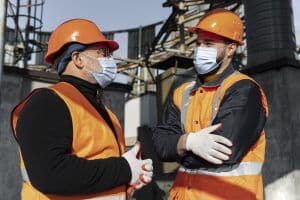
Industrial safety 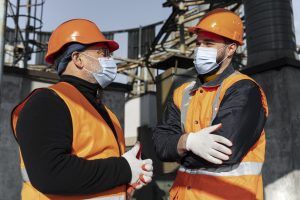 is a very important factor in today’s workplaces because many dangerous operations are carried out in industries like manufacturing, construction, chemical industries, etc. Reflecting on the importance of its necessity, it is crucial to indicate that by preparing the workers in this sense, it is possible to avoid accidents that threaten the lives of workers in various organizations. This is where an industrial safety course comes in; it helps in the development of the culture of safe practices across the various industries. In this blog, we will discuss the elements of an industrial safety course that no one can afford to miss out on and why the course is compulsory to make the working environment safe.
What is an industrial safety course?
An industrial safety course is an organised learning exercise aimed at imparting knowledge to a person on how to handle safety, health, and the environment within an industry. These courses aim to be able to recognize risks, learn ways on how to minimize or eradicate risks and learn ways on how to handle risks that may occur in an organization. These courses are helpful in the construction field, the petrochemical industries, as well as the manufacturers who hire their employees with the assurance that the employees are well equipped with safety management and the standards required to meet.
The most recognized courses include the Diploma in Industrial Safety from the reputable institutions that include NIFS (National Institute of Fire & Safety). This is a 12 months course focusing on safety and health both in general and specific, health and environment, industrial hygiene, occupational safety, and health in relation to high hazard industries, including chemical and petrochemical industries and construction.
Why is an industrial safety course important?
With so many accidents happening in industries today, the need for an industrial safety course is well manifested, especially for the reduction of hazards at work places, promotion of employees’ health, as well as compliance with set standards. Here are some of the major benefits why it is essential for an employee as well as the employer to attend such a course.
- Promoting a culture of safety
Preventing industrial related accidents remains one of the most significant objectives of any safety course in an organization. This is when all employees are taught to detect dangers and appreciate the steps toward safety taken by others; they become more responsible. Culture change means that there will be fewer accidents at the workplace and therefore lower death rates.
Both the employees and the organisation stand to benefit when there is a strong safety culture. Many organizations with effective safety initiatives are likely to have happier workers, increased productivity, and few employees away from the workplace due to workplace mishaps. In addition, safety sensitive organizations are able to maintain talents besides promoting loyalty in organizations.
- Compliance with legal and regulatory standards
Every sector is bound by standard health and safety measures to prevent the occurrence of various risks to employees on site. Noncompliance with these guidelines may result in legal consequences ranging from suspension to outright closure and massive penalties. An industrial safety course makes both the employer and employee aware of the safety legislation and safety standards concerning specific industries.
Such diploma courses as the Diploma in Industrial Safety offer detailed training on how to go about safety management in a business so that they are not on the wrong side of the law or to make sure that their businesses are sustainable according to the safety standards set by safety regulatory bodies. This is even more so for industries like chemical and petrochemical plants. Being high risk industries, compliance can be crucial.
- Reducing workplace accidents and injuries
Injuries at the workplace do not only prevent employees from performing their duties effectively but also can become very costly to business organizations. In doing so, the organisations can reduce accidents and injuries through an industrial safety course to provide the required knowledge and skills as well as get those employees who are insensitive to dangers and have no regard for human life.
High-risk activities that include construction, petrochemicals, and manufacturing are more likely to record adverse incidences because of the type of activities that are usually performed in these fields. Industrial safety courses include courses on safety procedures relevant to these industries including handling of chemicals, working on elevated surfaces and handling of giant equipment. By following the training, workers can execute their tasks more safely, ensuring both their protection and that of their colleagues.
- Improving industrial hygiene and occupational health
Industrial hygiene is more about recognition and removal or reduction of hazards that can pose dangers to the lives of employees directly, for instance exposure to chemicals, dust, or noise. Training in the practices of industrial hygiene and occupational health forms part of the learning in the Diploma in Industrial Safety.
Knowledge of the principles of industrial hygiene is crucial in preventing long term effects of diseases that may take a toll on the lives of employees as they continue to work in hazardous environments, which include respiratory diseases, skin diseases, and hearing impairments that may be caused by several physical and chemical hazards. Safety officials who have gone through an industrial safety course are better placed to prevent these risks through instituting measures such as provision of good ventilation, sourcing and provision of PPE and setting up of monitoring programs.
- Enhancing emergency preparedness
People also tend to have accidents even if they are in a secure setting or location. Consequently, precautionary measures to attend emergencies make up for a significant part of any industrial safety class. People must understand how to act in situations such as fire, chemical leaks, equipment breakdowns, or any other calamity.
As offered in the Diploma in Industrial Safety, learners are given step by step advice on how to establish emergency evacuation plans, practice fire drills, and guarantee that necessary and adequate firefighting tools are readily accessible and in proper working condition. Employers must be prepared to act fast and appropriately in case of emergencies in order to cut losses and save lives.
Key subjects covered in an industrial safety course
An industrial safety course covers a range of subjects designed to address various aspects of workplace safety. Below are some of the key topics typically included:
- Safety, health & environment management: This topic is concerned with general aspects of managing safety in organisations, with special consideration given to health and environmental considerations in safety planning and management.
- Industrial hygiene and occupational health: A comprehensive analysis of measures taken to prevent exposure to health risks arising out of the workplace environment.
- Safety in chemical & petrochemical industries: Particular measures of safety concerning the treatment of dangerous substances, management and avoidance for explosion, and other dangers in such sensitive sectors.
- Safety in construction: Specific focus on safety practices common in construction works to do with risk control, fall protection, equipment safety, and dealing with hazardous substances.
Conclusion
Thus, there’s a need to promote and guarantee the safety of the workers in the current dynamic industrial settings. An industrial safety course is an essential asset both to the employees and the employer since it assists in the development of safer plants with high compliance and productivity. Since it is about promoting safety, the importance of such courses cannot be overemphasized, be it in offering a safety culture or in cutting costs of accidents as well as enhancing the understanding of emergencies.
For example, the National Institute of Fire & Safety (NIFS) offers its Diploma in Industrial Safety, where students are trained to work in a number of fields. These programs do not only help a professional to advance his or her career but also help to protect his or her workplace.
For anyone interested in a career in safety management or those who want to gain a greater understanding of workplace safety, the Diploma in Industrial Safety developed by NIFS will be a good starting point. It particularly emphasizes industries and training; this course will enable you to make a lifelong positive change to occupational safety and industrial healthcare.
Have Questions About Admissions, Eligibility, or Fees?
Chat directly with NIFS Official Career Advisors on WhatsApp for free counseling and course guidance.
Chat on WhatsApp (+91-8374-340-999)Ready to Start Your Career in Fire & Industrial Safety?
Explore NIFS government-recognized and NSDC-approved diploma programs with 100% placement assistance in top industrial safety sectors.
Frequently Asked Questions
What are the eligibility requirements for The Importance of an Industrial Safety Course at NIFS?
Eligibility ranges from 10th pass for certificate courses to 12th science or ITI/Diploma/Degree for advanced safety diplomas. Counselors verify certificates during admission.
Are NIFS Fire and Safety programs NSDC and university recognized?
Yes, NIFS courses are NSDC-approved and university-affiliated, recognized by PSU, private industrial employers, and overseas firms in Gulf countries.
Does NIFS provide placement assistance after course completion?
Yes, NIFS has a dedicated placement cell with 45,000+ alumni placed across top industrial firms including Adani, L&T, ITC, GMR, and Amazon.
Start Your Career in Industrial Safety Today
NSDC-approved Diploma, Advanced Diploma, and Degree programs with 100% placement assistance at top companies like L&T, Adani, and Reliance.